Driving & Transportation
-

When Driving Starts to Feel Uncomfortable
Early signs that driving no longer feels as confident, easy, or familiar as it once did.
-

Early Signs It May Be Time to Revisit Driving
Common changes that suggest it may be time to pause and take a closer look at driving.
-

Talking About Driving Without Tension
Ways to start the conversation calmly and respectfully, without pressure or arguments.
-
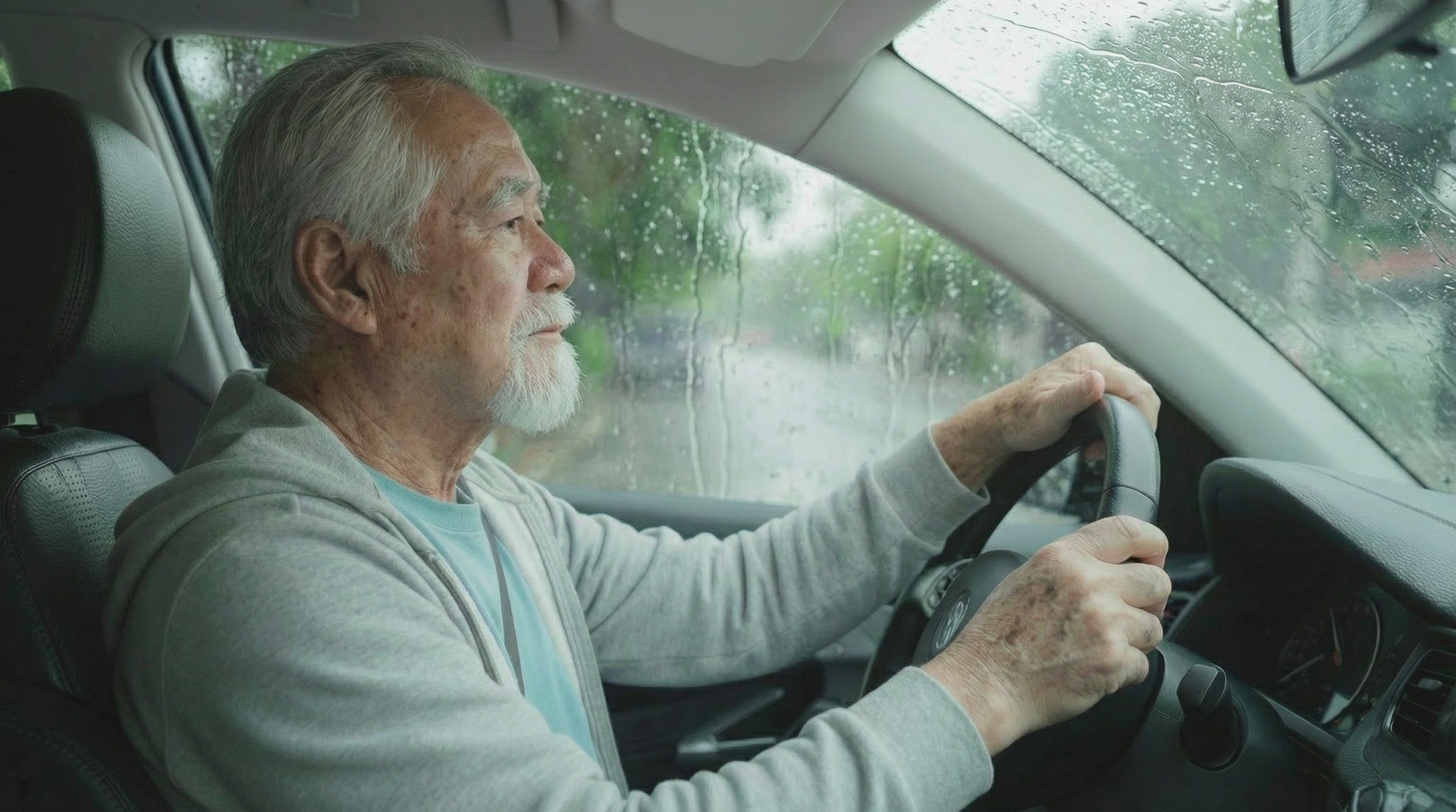
Adjusting Driving Habits Instead of Stopping
Small changes that can extend driving safely, such as limiting routes or conditions.
-
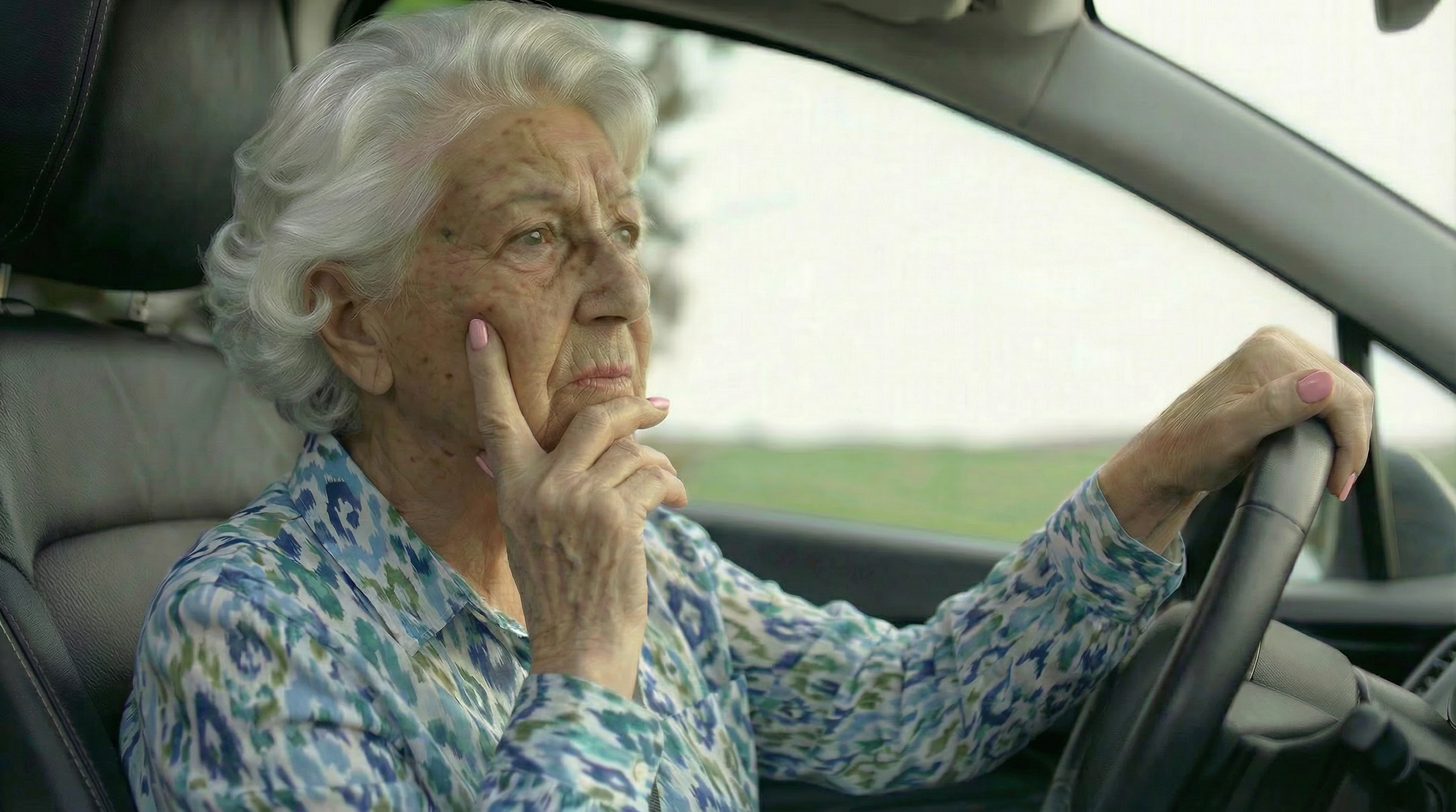
Night Driving, Highways, and Other Common Concerns
How specific driving situations often become challenging and what to do about them.
-

Vision, Hearing, and Reaction Time Changes
How natural changes can affect driving and when they start to matter.
-
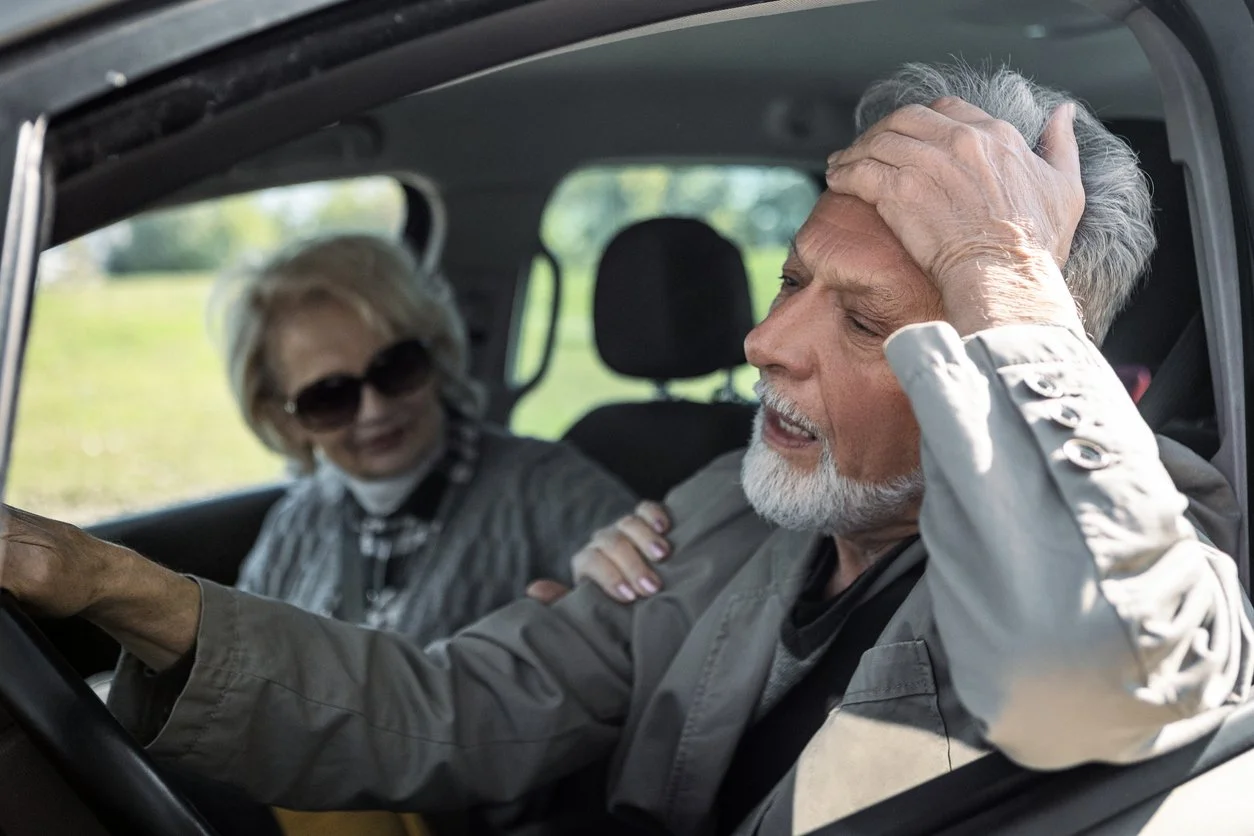
Safety, Confidence, and Making Driving Decisions
Balancing safety concerns with confidence, identity, and independence.
-

Transportation Options That Preserve Independence
Exploring alternatives that keep people mobile and connected without relying on driving.
-

Rideshares, Shuttles, and Community Services
Practical transportation options that don’t depend on family driving every time.
-
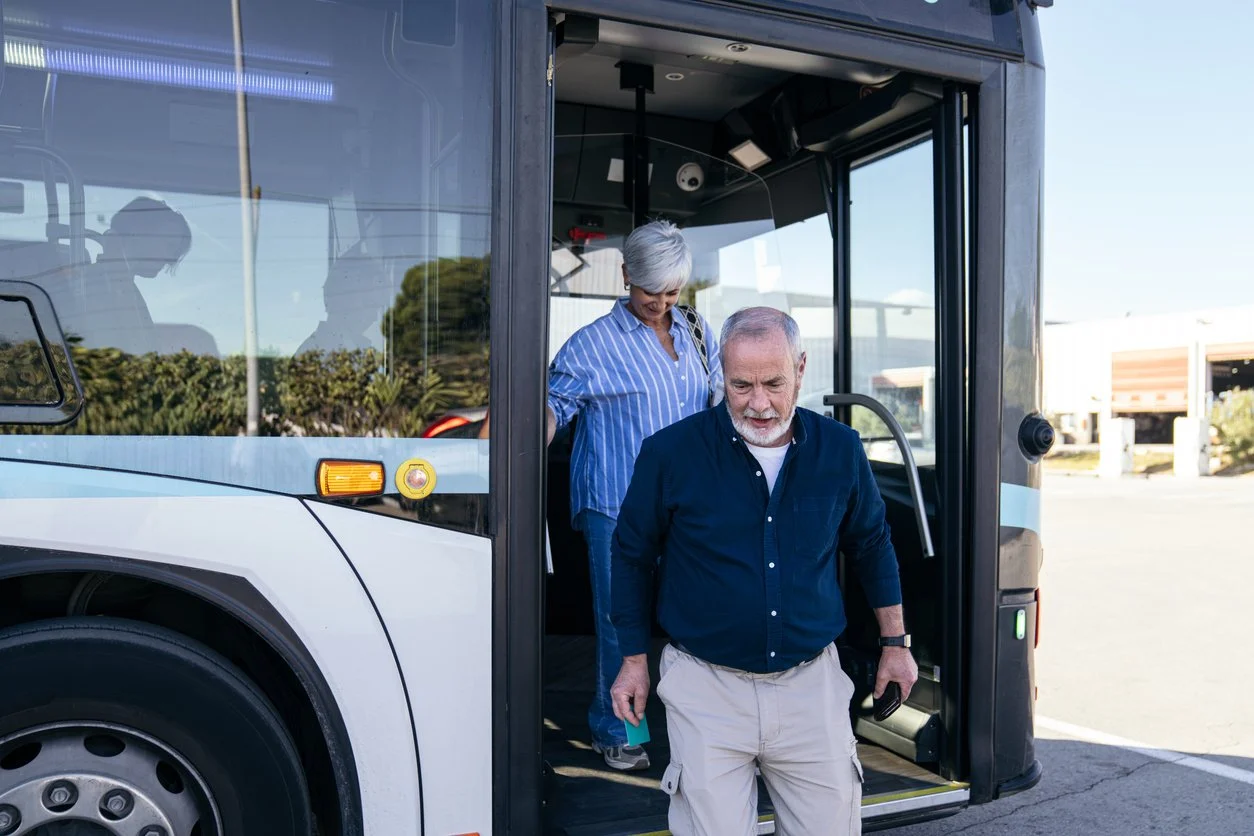
Planning Transportation Before It Becomes Urgent
Why early planning reduces stress and makes transitions smoother.
-

Stay Connected Without Driving
Preventing isolation and maintaining social connection when driving becomes limited.
-

Emotional Reactions to Driving Changes
Understanding frustration, grief, fear, and relief around changes in driving.
-

When Family Members Disagree About Driving
Navigating differing opinions without damaging relationships.
-

Using Outside Support for Driving Decisions
When evaluations, professionals, or licensing processes help remove family pressure.
-
What to Do With the Car When Driving Changes
Practical considerations around the car itself, insurance, visibility, and next steps.