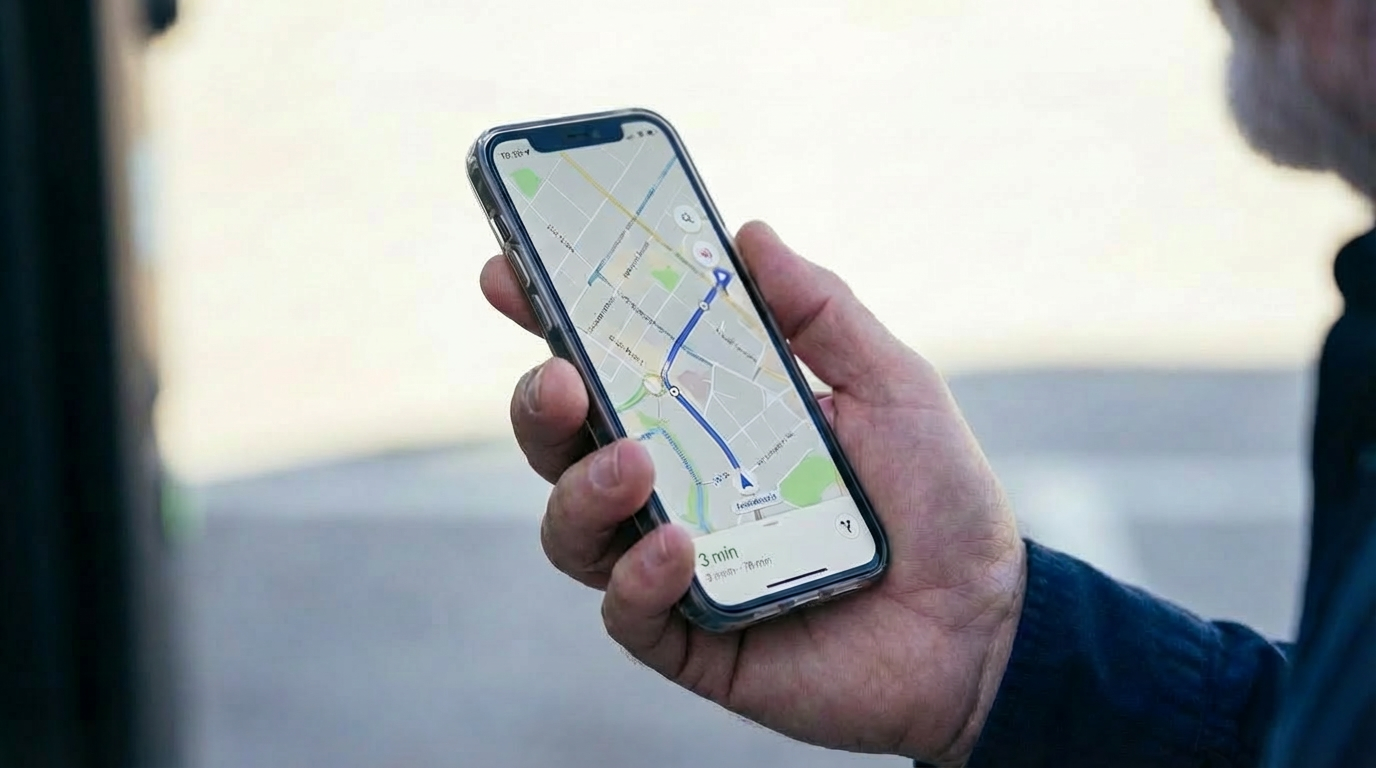
Planning Transportation Before It Becomes Urgent
Transportation changes are often easier to manage when they’re considered early, before driving becomes stressful or limiting. Planning ahead allows time to explore options, build familiarity, and make thoughtful choices without pressure.
Planning early keeps decisions calm and flexible rather than rushed.
Why Waiting Can Make Things Harder
When transportation planning is delayed, decisions often happen during moments of stress—after an incident, during illness, or when confidence has already declined. This can make changes feel sudden or imposed.
Early planning helps:
Reduce emotional pressure
Keep options open
Avoid last-minute decisions
Preserve a sense of control
Approaching transportation proactively creates space for discussion and reflection.
What Early Planning Can Include
Planning doesn’t mean making immediate changes. It means understanding what options exist and how they might fit into daily life if needed.
Early steps might include:
Learning about local transportation services
Trying alternatives occasionally, not as a replacement
Talking openly about preferences and concerns
Identifying which trips feel most important to maintain
These steps allow transportation changes to feel familiar rather than disruptive.
Supporting Confidence Through Preparation
When transportation plans are in place, people often feel more secure—even if they’re still driving regularly. Knowing there are alternatives can reduce anxiety and increase confidence.
Preparation offers reassurance, even if plans aren’t immediately used.
This sense of readiness can make future adjustments feel more manageable and less emotionally charged.
Allowing Plans to Evolve
Transportation needs can shift over time. Plans made today may need to be revisited later, and that’s part of the process.
Flexible planning respects changing needs and preserves choice.
By planning transportation early, individuals and families can support independence, connection, and well-being—no matter how driving needs evolve in the future.