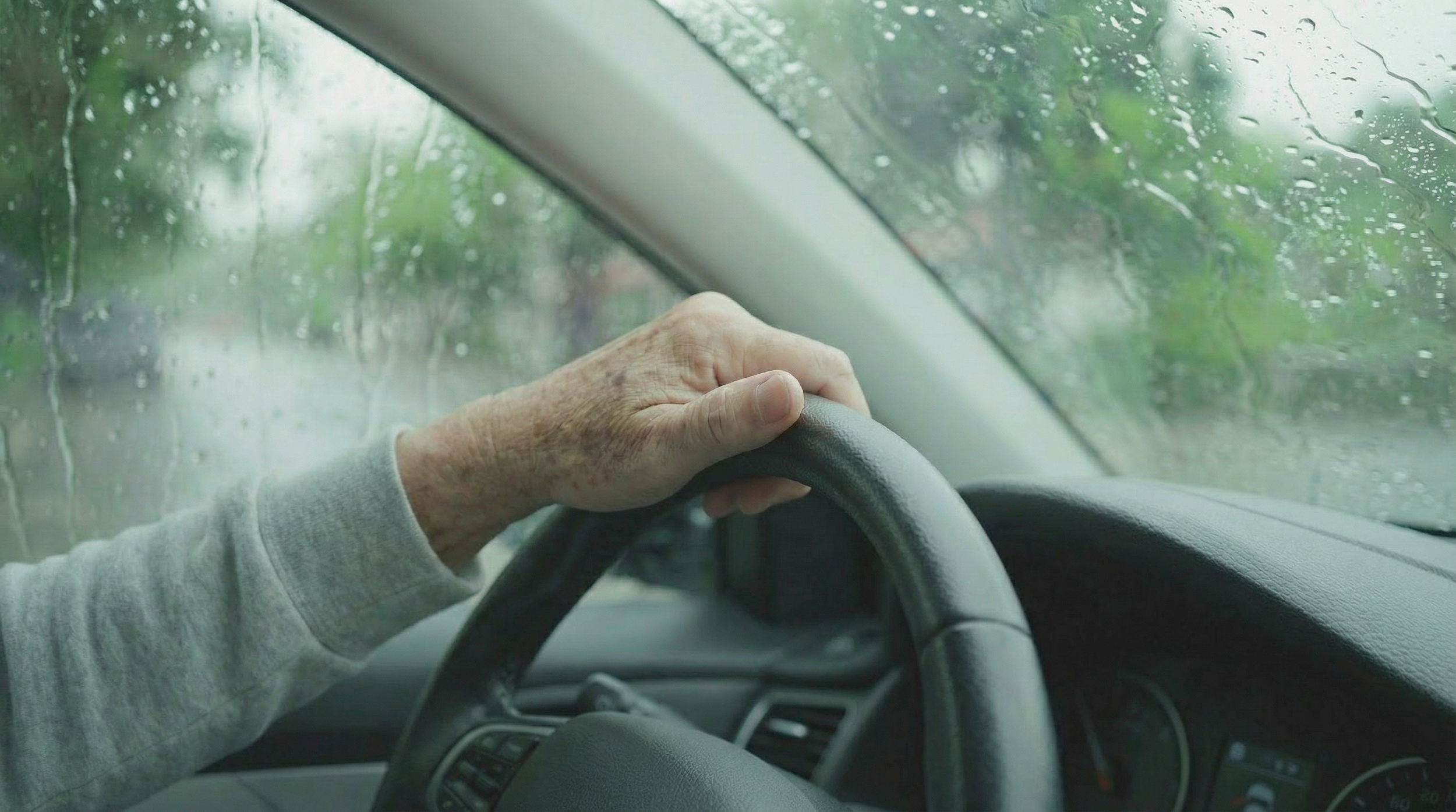
Adjusting Driving Habits Instead of Stopping
For many people, driving changes don’t happen all at once. Often, the first step isn’t stopping altogether, but making small adjustments that help driving feel safer and less stressful. These gradual changes can support confidence while allowing independence to continue.
Adjusting how and when someone drives can be a meaningful way to stay engaged without unnecessary risk.
What Adjustments Often Look Like
Changes to driving habits are usually practical and personal. They’re based on comfort, familiarity, and energy rather than strict rules.
Common adjustments include:
Driving only during daylight hours
Avoiding highways, heavy traffic, or unfamiliar routes
Limiting driving to nearby or well-known locations
Choosing quieter times of day to drive
Reducing the length or frequency of trips
Checking the whether for fog, rain, or snow
These changes often happen naturally and can be a helpful way to respond to early discomfort.
Why Gradual Changes Help
Adjusting driving habits can reduce stress while keeping routines intact. When changes are made gradually, they often feel less threatening and more manageable.
Small adjustments allow people to remain involved in decisions about their own mobility.
This approach also gives families time to observe how the adjustments are working and to talk openly about what feels helpful or challenging.
Supporting Adjustments Thoughtfully
Adjustments tend to work best when they’re framed as supportive choices rather than limitations. Respectful conversations can help keep these changes collaborative.
Helpful approaches include:
Letting the driver lead the conversation about what feels comfortable
Sharing alternative routes
Providing information when events are happening in the area that may cause more traffic
Avoiding language that sounds final or absolute
Revisiting adjustments over time as needs evolve
Acknowledging the emotional impact of any change
These conversations are often ongoing, not one-time discussions.
Allowing Flexibility Over Time
Driving adjustments may change as circumstances change. What works well now may need to be revisited later, and that’s okay.
Flexibility allows driving changes to evolve alongside confidence, comfort, and safety.
Approaching driving adjustments with patience and openness helps preserve dignity, independence, and trust—no matter what the next step may be.