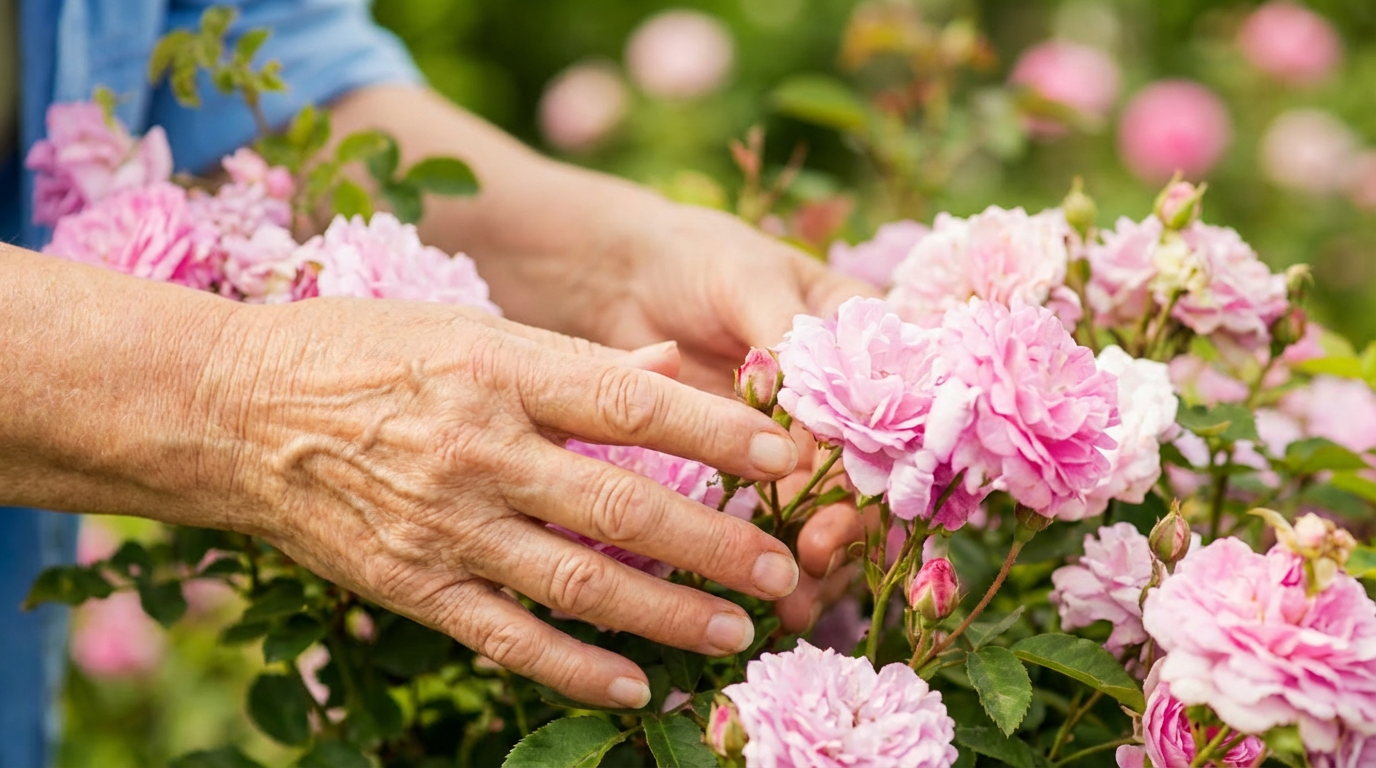
Walking, Gardening, and Light Outdoor Activities
Outdoor activities like walking and gardening can offer gentle movement, fresh air, and a sense of connection to the world outside the home. These activities don’t need to be strenuous to be beneficial—when approached thoughtfully, they can support comfort, balance, and enjoyment.
Being outdoors can support both movement and well-being.
Why Outdoor Activity Feels Different
Spending time outside often provides a natural sense of rhythm and purpose. Light outdoor activities can feel less like “exercise” and more like part of daily life.
Benefits may include:
Gentle movement that supports flexibility and balance
Opportunities for fresh air, the scent of flowers, and natural light
A change of scenery that supports mood and focus
A sense of accomplishment through simple tasks
These elements can make outdoor activity feel inviting and meaningful.
Examples of Light Outdoor Activities
Outdoor movement can take many forms and can be adapted to comfort, energy, and interest.
Common examples include:
Walking at a relaxed pace on familiar paths
Short walks taken more than once a day
Gardening tasks like watering, planting, or light pruning
Spending time tending plants or outdoor spaces
Standing or moving gently while enjoying the outdoors
Outdoor activity can be brief, flexible, and guided by comfort.
These activities can be adjusted to match how the day feels.
Supporting Comfort and Safety Outdoors
Outdoor activity works best when it feels comfortable and supported. Paying attention to conditions can help reduce strain or risk.
Helpful considerations include:
Choosing stable, familiar walking surfaces
Wearing supportive footwear
Avoiding extreme temperatures or uneven terrain
Taking breaks as needed
Moving at a pace that feels steady
These steps help outdoor activity remain enjoyable and manageable.
Letting Outdoor Activity Evolve Over Time
Interests, energy levels, and comfort outdoors may change. What feels enjoyable today may need adjusting later.
Outdoor activity adapts as needs and preferences change.
By incorporating walking, gardening, and light outdoor activities into daily life, individuals and families can support movement, engagement, and well-being—while enjoying the benefits of time spent outdoors at a comfortable pace.