Supporting Independence in Daily Activities
Independence in daily activities is often about choice, control, and participation. Supporting independence doesn’t mean avoiding help—it means offering support in ways that allow people to remain involved, capable, and confident in their everyday lives.
Independence grows when people stay part of how things are done.
What Independence Can Look Like Day to Day
Independence isn’t all-or-nothing. It can show up in small, meaningful ways that vary from person to person and from task to task.
Examples include:
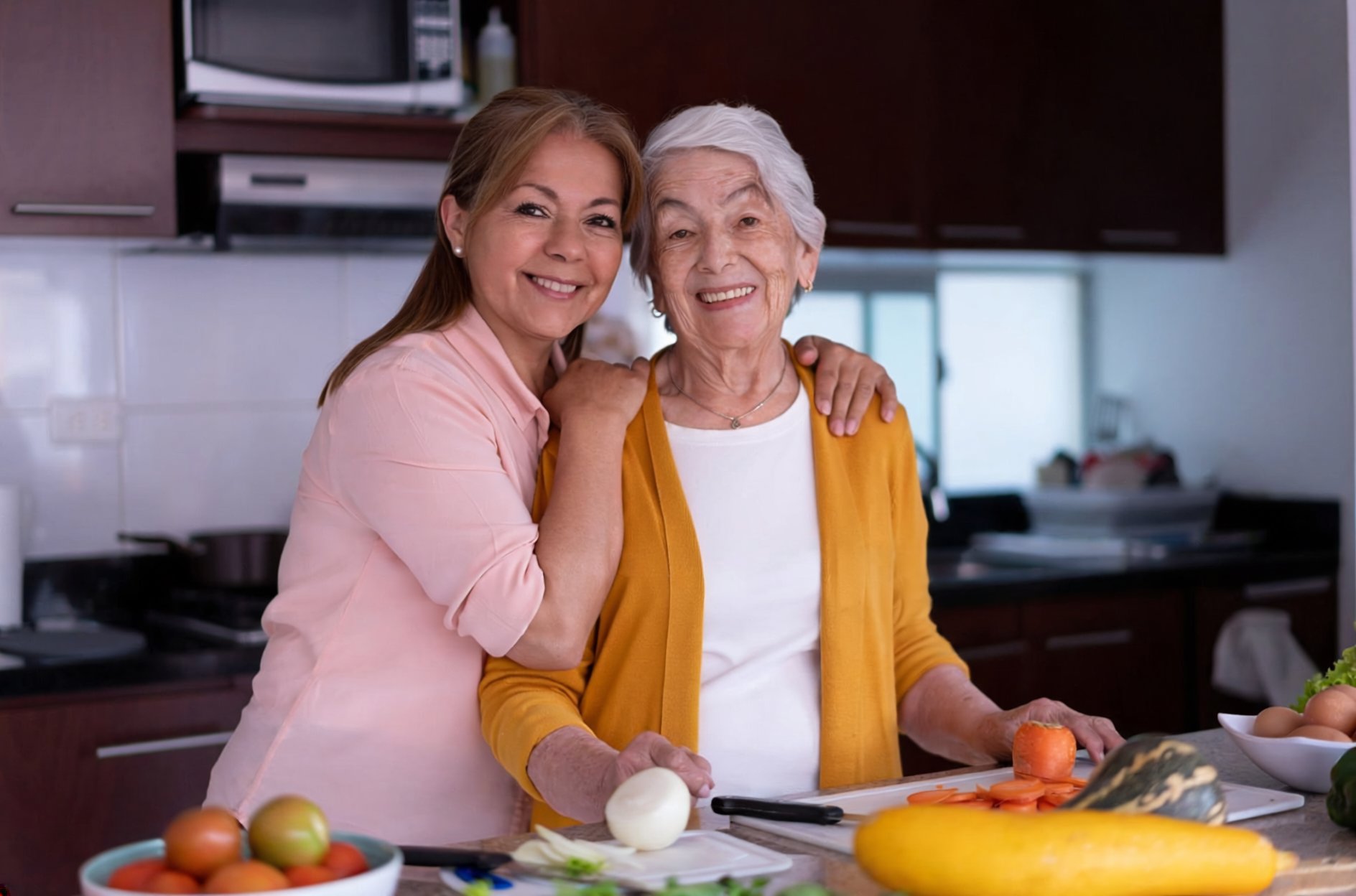
Choosing how and when tasks are done - things like cooking
Participating in parts of an activity rather than the whole
Using tools or adjustments that make tasks manageable
Maintaining familiar routines with minor changes
These forms of independence help preserve dignity and a sense of self.
When Support Is Helpful
Support often becomes most effective when it responds to what feels challenging rather than replacing the activity entirely. Paying attention to where effort increases can guide thoughtful support.
Signs support may be helpful include:
Increased fatigue during routine tasks
Frustration with steps that feel awkward or tiring
Avoiding activities that were once enjoyed
Expressing concern about keeping up
Support works best when it fills gaps rather than taking over.
How to Offer Support Without Taking Over
The way support is offered can make a significant difference. Small shifts in approach can keep activities collaborative rather than directive.
Helpful approaches include:
Asking how someone prefers to be supported
Offering options instead of instructions
Letting the person lead at their own pace
Stepping back when help isn’t needed
This allows support to feel respectful and empowering.
Allowing Independence to Evolve
Needs and abilities change over time, and so does independence. What feels supportive today may need adjusting later.
Independence is preserved through flexibility, not rigid expectations.
By supporting independence in daily activities with patience and openness, individuals and families can help maintain confidence, engagement, and a sense of control as daily life evolves.