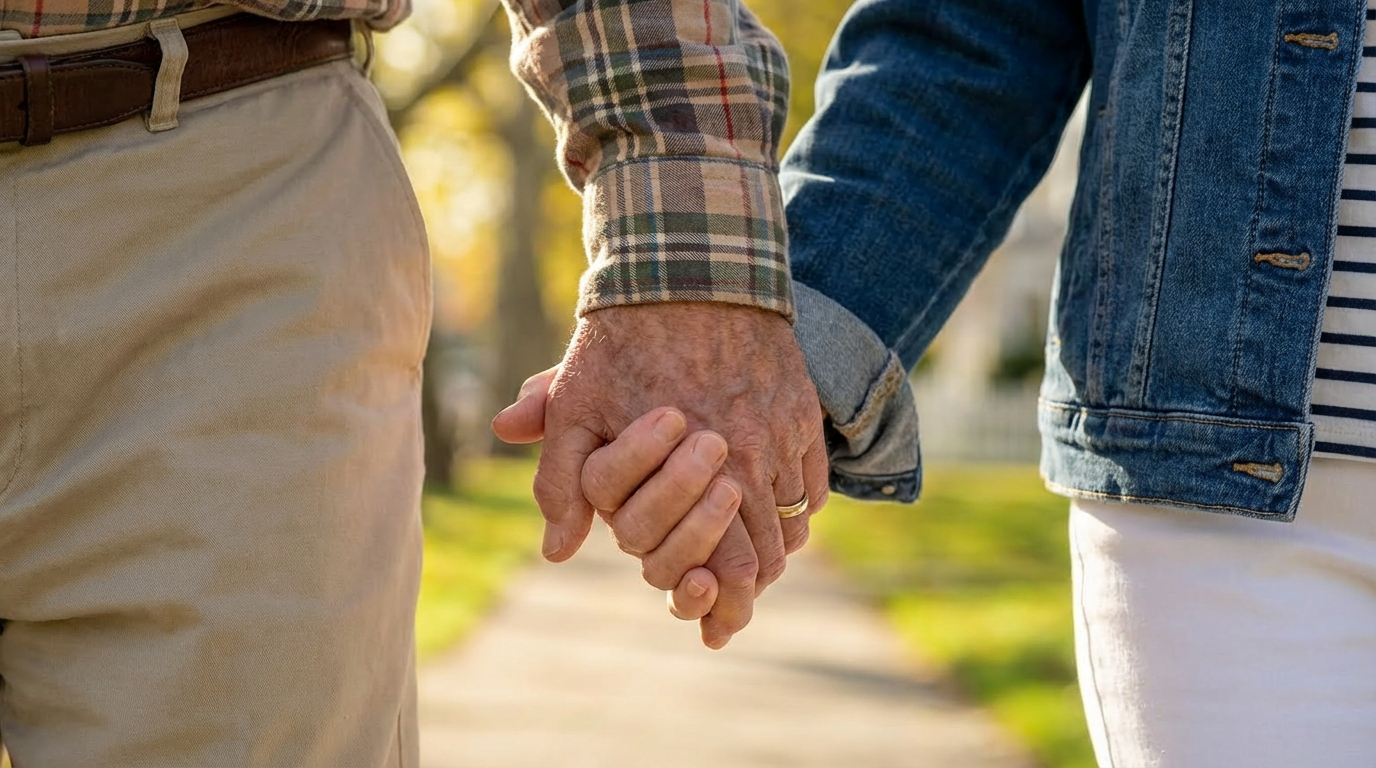
Staying Active Together
Staying active can feel more enjoyable and sustainable when it’s shared. Moving together—whether with family, friends, or companions—can provide motivation, connection, and reassurance, while still respecting individual comfort and pace.
Shared activity supports both movement and connection.
Why Activity Together Can Feel Easier
When activity is shared, it often feels less like a task and more like time spent together. The focus shifts from “being active” to simply participating in something enjoyable.
Staying active together can:
Reduce feelings of isolation
Provide gentle encouragement without pressure
Make movement feel safer and more supported
Strengthen relationships through shared experience
This can make activity feel more approachable, especially during times of change.
What Staying Active Together Can Look Like
Shared activity doesn’t need to be structured or intense. It can be informal, flexible, and guided by comfort.
Examples include:
Walking together at a relaxed pace
Gardening or light outdoor tasks side by side
Doing simple stretches or movements together at home
Participating in hobbies that involve gentle movement
Running errands together instead of separately
Togetherness often makes movement feel lighter.
These activities allow people to move at their own pace while enjoying companionship.
Supporting Individual Needs Within Shared Activity
When staying active together, it’s important to respect differences in energy, ability, and preference. Shared activity works best when it allows for flexibility.
Helpful approaches include:
Letting each person set their own pace
Allowing breaks without drawing attention
Avoiding comparison or competition
Being open to changing plans as needed
This ensures shared activity feels supportive rather than demanding.
Allowing Togetherness to Evolve
How people stay active together may change over time. What works now may look different later, and that’s okay.
Connection can remain even as activities adapt.
By staying active together in thoughtful, flexible ways, individuals and families can support movement, confidence, and connection—while honoring comfort, choice, and evolving needs.