Staying Active at Home
Staying active doesn’t require leaving the house or following a structured routine. Home can be a comfortable, familiar place to move, stretch, and stay engaged—especially when energy levels or mobility make going out less appealing.
Activity at home can be gentle, flexible, and built around comfort.
Why Home-Based Activity Matters
Home-based activity often feels more approachable because it happens in a familiar environment. This can reduce stress and make movement feel safer and more manageable.
Staying active at home can:
Support consistency without pressure
Reduce the effort involved in planning or travel
Allow movement to happen at a comfortable pace
Fit naturally into daily routines
These benefits can make activity feel easier to maintain over time.
What Staying Active at Home Can Look Like
Home-based activity doesn’t have to be formal or time-bound. Small moments of movement throughout the day can be just as valuable as longer sessions.
Examples include:
Standing up and sitting down intentionally
Light stretching while watching television
Walking through the house or around a yard
Gentle household tasks done with awareness
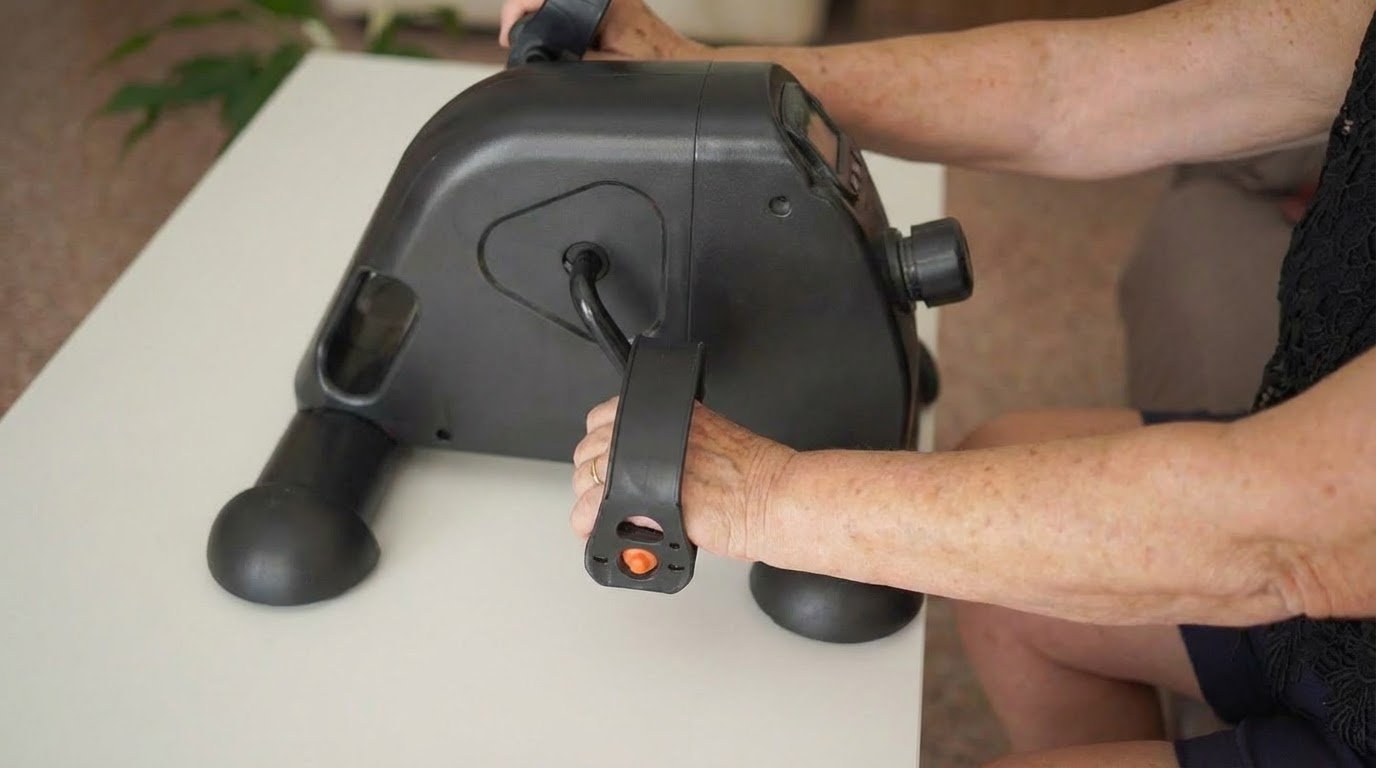
Moving arms and legs while seated
Small movements, repeated regularly, can support comfort and mobility.
These activities can be adjusted based on how the day feels.
Creating a Supportive Home Environment
A supportive environment can make staying active at home feel easier and more inviting.
Helpful considerations include:
Keeping spaces clear for easy movement
Wearing comfortable, supportive footwear
Using stable furniture for support when needed
Choosing activities that feel enjoyable rather than demanding
This helps movement feel safe and natural.
Allowing Home-Based Activity to Evolve
Home-based activity may change as needs, interests, or energy levels shift. What feels right today may look different later.
Staying active works best when it adapts to daily life.
By finding ways to stay active at home that feel comfortable and sustainable, individuals and families can support movement, confidence, and well-being—while honoring personal pace and preference.