Simple Activities That Bring Comfort and Enjoyment
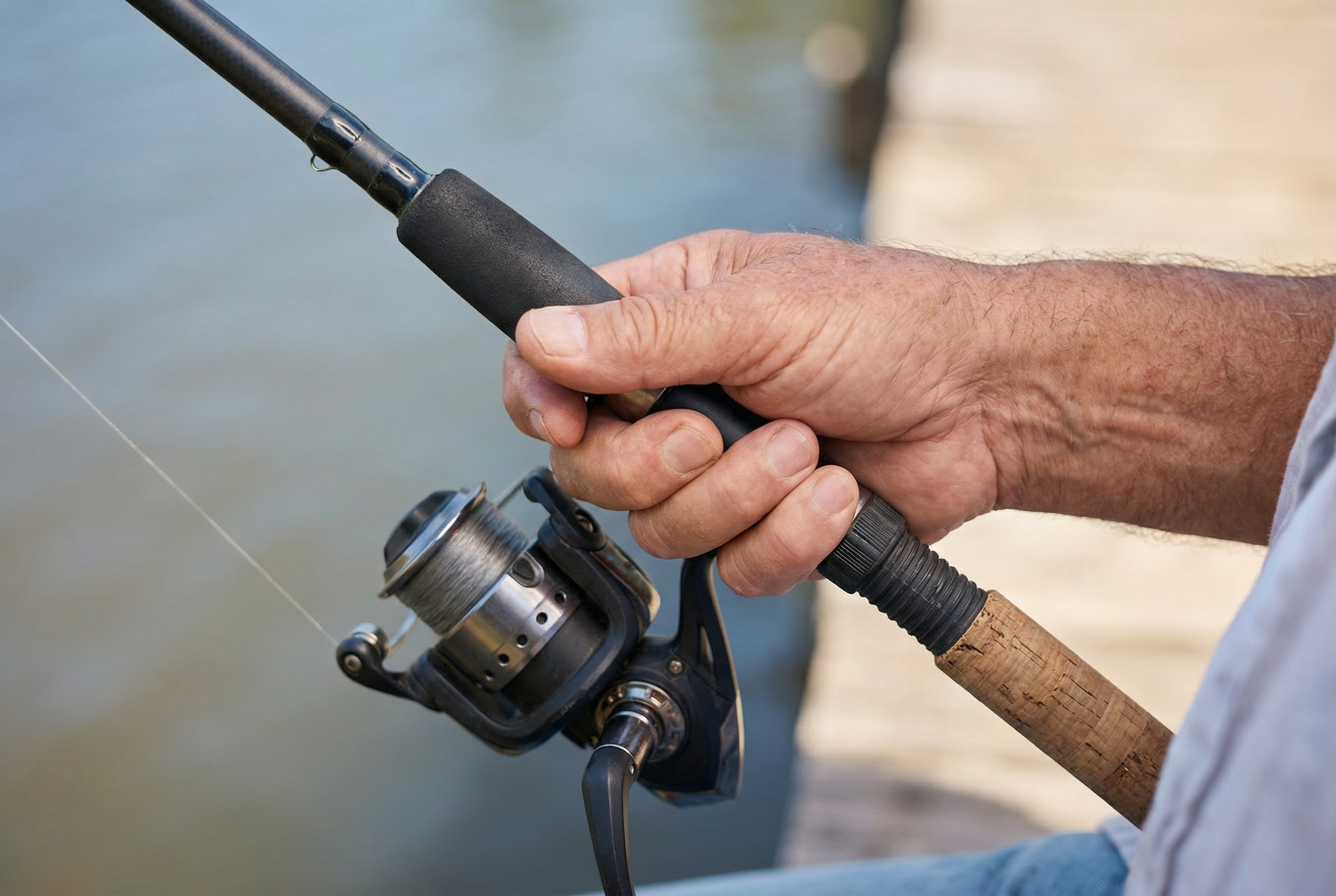
There's that one photograph. Maybe it's in your memory, maybe it's sitting on a side table in the hallway — the one that gets glanced at every time someone walks past and always, without fail, brings a smile. A dock. A fishing pole. Three generations with bare feet dangling, laughing at something that may or may not be remembered now. Nobody caught anything significant that day. But the photograph tells the whole story — and those moments are what we get to hold onto.
Here's what's easy to forget in the middle of a busy life: those moments don't stop being available. They just require a little more intention to create. Today, as life slows down and the pace of daily living shifts, there is still so much to do, to share, and to feel. Still memories to make — for the person living them and for everyone lucky enough to be in them. Slowing down doesn't close that door. In a lot of ways, it opens it wider. When there's less rushing, there's more room to actually be somewhere. To fish. To laugh. To end up in a photograph that someone will look at for the rest of their life.
Madeleine L'Engle once wrote that the great thing about getting older is that you don't lose all the other ages you've been. That's worth sitting with. The grandpa on the dock with the fishing pole — or the dad, the uncle, the family friend who has been around long enough to feel like one — is still the person who fished as a boy, still the one who taught his own kids to cast a line, still passing something forward now without making a ceremony of it. All of those versions of him are present in one afternoon on a dock. That's not a small thing.
Why Simple Activities Matter More Than We Think
There's a tendency in caregiving to think about activity in terms of what's beneficial — what keeps the mind sharp, what maintains physical function, what addresses a need. And those things matter. But they're not the whole picture, and sometimes the focus on what's productive or therapeutic misses what's actually most valuable.
Simple activities — the ones that require nothing special, that have been done a hundred times before, that don't ask for performance or endurance or the right kind of mood — provide something that more structured approaches often don't. They provide normalcy. Continuity. The feeling of being a person who does things, who participates, who is still present in the life happening around them.
For older adults whose world has gradually grown smaller — fewer outings, fewer social obligations, a daily life that covers less ground than it used to — a simple activity shared with someone they love can be one of the most grounding experiences of a week. Not because it's therapeutic. Because it's real, and familiar, and theirs.
What These Activities Actually Look Like
The fishing trip is one version. But simple shared activities take hundreds of forms, most of them quieter and closer to home.
It's the puzzle on the kitchen table that gets worked on a little at a time over several days, whoever happens to be around adding a few pieces. It's the card game that's been played in the family for decades, where everyone knows the rules and the conversation happens around the game rather than about it. It's cooking something together — a recipe that belongs to the older person, made their way, with them directing and someone else doing the parts that are harder now.
It's watching a favorite show or movie together, one the older person has seen before and loves, and watching them watch it — the moments they laugh in anticipation because they know what's coming, the parts they could quote from memory. It's looking through a photo album with someone young enough to ask questions, and finding that the questions prompt stories that haven't been told in years.
It's sitting outside together without any particular agenda. It's listening to music that belongs to a specific decade and watching someone travel back to it for a few minutes.
None of these require planning or supplies or the right conditions. They require time and willingness and the decision to be present rather than efficient.
The Role These Activities Play for Everyone Involved
Something worth understanding about simple shared activities is that they're not just good for the older adult. They're good for everyone in them.
The grandchild who sits on a dock learning to fish is receiving something that can't be packaged or scheduled — direct transmission of a skill, a patience, a way of being in the world that belongs to their grandfather. The adult child who sits down to a card game is getting an hour that feels like the past in the best possible way, a thread of continuity in a life that moves very fast. The caregiver who stops doing and just sits is remembering, maybe, who the person they're caring for actually is — not a set of needs, but a whole human being with history and humor and preferences and things they're genuinely good at.
These activities create the conditions for real conversation in a way that direct conversation often doesn't. Something about doing something together — hands occupied, attention partly elsewhere — makes it easier to talk. Stories surface that wouldn't come up over a formal visit. Memories get shared. Laughter happens without being engineered.
That's the environment worth creating, as often as possible.
Supporting Enjoyment Without Turning It Into a Program
The quickest way to drain the life out of a simple activity is to make it an obligation. To schedule it, assess it, track whether it's happening often enough, treat it as an intervention rather than an afternoon.
Comforting activities work because they're genuinely optional and genuinely relaxed. They happen because someone felt like it, because the moment was right, because there was no pressure attached. The fishing trip that gets planned six weeks in advance and put on a calendar is a different experience from the one that happens because it was a nice day and someone said let's go.
This means letting participation vary. Some days a puzzle sounds appealing. Some days it doesn't. Some visits the card game happens and some visits it doesn't come out. That's fine. The point is that the option exists, and that when someone wants to engage, the thing they want to engage with is available and the people around them are willing.
It also means following the older person's lead on what still feels good. Interests shift. Energy changes. An activity that was looked forward to last year might not hold the same appeal now — and that's not a problem to solve. It's just information about what to offer instead.
Passing Something Forward
There's a particular kind of value in activities that cross generations — where something gets passed from an older person to a younger one, not as a lesson but just as a natural part of spending time together. A way of doing something. A story attached to a place. A patience or a skill or a way of finding pleasure in something simple.
These moments don't announce themselves. They just happen, in the middle of ordinary afternoons, on docks and at kitchen tables and in living rooms where a card game has been going on for an hour and nobody's in any hurry to stop.
That's the photograph waiting to be taken. That's the memory being made right now, by people who may not even realize it yet.
Make room for it. Regularly, without ceremony, for as long as it's possible.