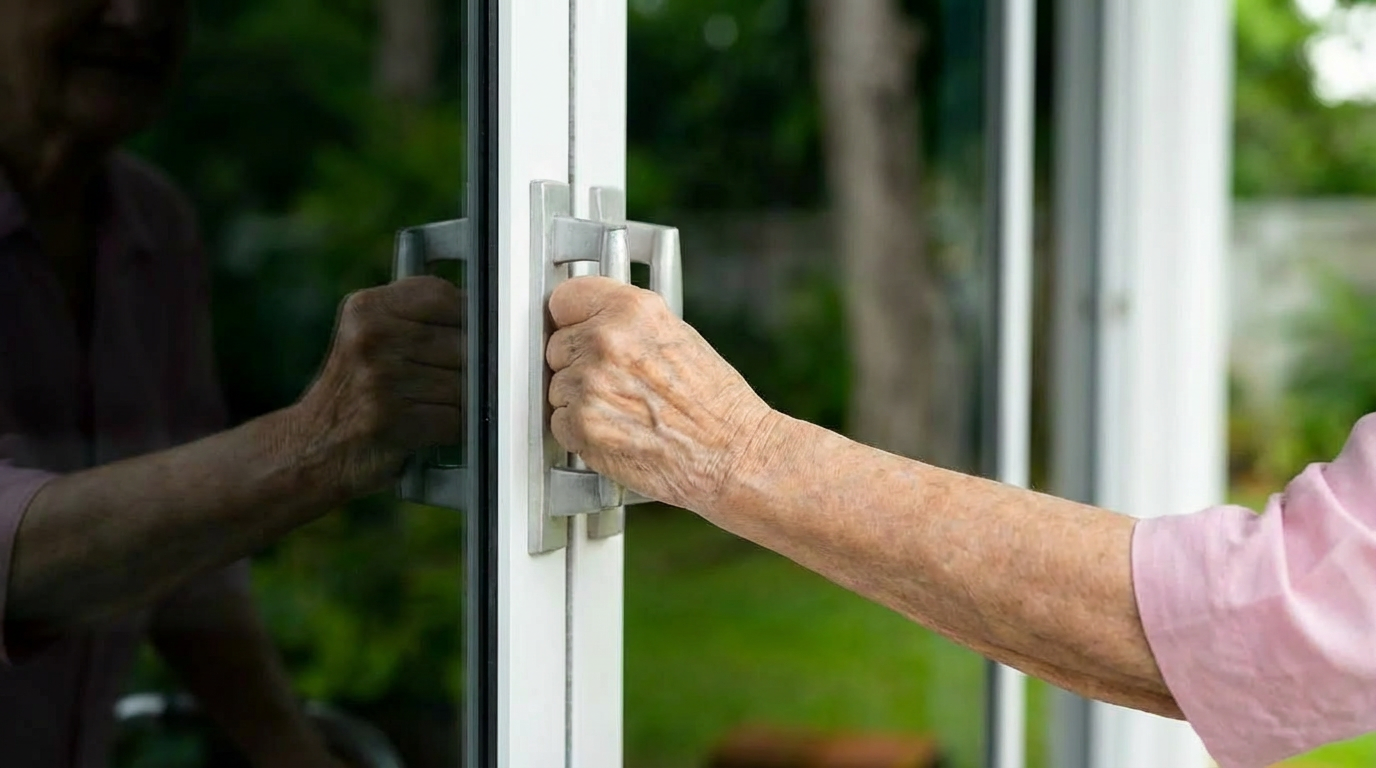
Making the Home Safer Without Making It Feel Different
Home is not just a place. It's the chair that's always been in the same corner. The way the kitchen light looks in the morning. The path from the bedroom to the bathroom that gets walked a dozen times a day without thinking about it. For older adults and the people who care for them, that familiarity isn't a small thing — it's deeply connected to comfort, confidence, and a sense of self.
Which is why the idea of making safety changes to a home can feel complicated. The grab bar that looks clinical. The removed rug that leaves a bare patch where something familiar used to be. The rearranged furniture that makes a room feel like someone else's. These concerns are real, and they're worth taking seriously — because changes that feel wrong tend to get undone, and changes that get undone don't protect anyone.
The good news is that most effective safety improvements don't have to look like safety improvements at all. Done thoughtfully, they blend into the home so naturally that visitors wouldn't notice them and the person living there barely registers them as changes. That's actually the goal.
Why Familiarity Is Worth Protecting
There's a practical reason to care about how changes feel, beyond just respecting someone's preferences. Familiarity itself is a safety asset.
When a person knows their home — really knows it, the way you know a space you've lived in for years — they move through it with a kind of automatic confidence. They know where the floor dips slightly near the back door. They know the hallway is narrower than it looks. They know to step over the threshold rather than through it. That accumulated knowledge supports safe movement in ways that are hard to quantify but very real.
Changes that feel disorienting — even well-intentioned ones — can actually disrupt that confidence temporarily. A piece of furniture moved to a different wall means the hand that reaches out for it in the dark finds empty space. A rug removed leaves a floor that feels different underfoot. This doesn't mean changes shouldn't be made. It means they should be made carefully, one at a time, with the person's sense of the space in mind.
Lighting That Looks Like It Belongs
Better lighting is one of the highest-impact safety changes in any home, and it's also one of the easiest to make invisible. The goal isn't to flood every room with harsh overhead light — it's to make sure the spaces that get used most, especially at night, have enough light to navigate safely.
Plug-in night lights have come a long way from the utilitarian versions of twenty years ago. Motion-activated options that tuck into baseboard outlets are barely noticeable during the day and provide a soft, clear light path at night. Under-cabinet lighting in the kitchen adds visibility without changing any fixtures. A lamp added to a dim corner looks like a decorating choice, not a safety modification.
When replacing bulbs, choosing warmer, brighter LEDs improves visibility significantly without changing the feel of a room. The fixture stays the same. The light just works better.
Floors and Surfaces That Don't Announce Themselves
Non-slip solutions have improved dramatically, and the best ones are genuinely hard to spot. Adhesive stair treads come in wood-grain patterns that blend with existing flooring. Non-slip rug pads go underneath existing rugs rather than replacing them — same rug, same look, dramatically reduced risk of shifting. Clear non-slip strips can be applied to bathroom floors and shower surfaces without changing their appearance at all.
For rugs that have become persistent hazards — curling edges, tendency to slide — replacing them with low-profile non-slip versions often means choosing something that looks nearly identical to what was there before. The difference is in what's underneath, not what's visible.
Flooring transitions between rooms — the small raised strips where one surface meets another — can be tripping hazards that are easy to address with threshold ramps that sit flush with the floor and are barely noticeable once in place.
Furniture and Layout Changes That Feel Like Refreshes
One of the most effective safety changes in any home is simply rearranging furniture to create clearer pathways — and it's also the one that looks least like a safety modification. Moving a side table slightly. Angling a chair differently. Pushing a piece back toward the wall to open up a walking path. These look like someone decided to freshen up the room, not like accommodations were made.
The same applies to adding furniture that serves a safety function. A sturdy chair or bench near the entryway gives someone a place to sit while putting on shoes — and it looks like a natural part of the space. A small table beside the bed that keeps water, glasses, and a phone within reach looks like a thoughtful bedside setup. A shower bench looks like a comfort choice, not a medical necessity.
How the Conversation Goes Matters
For caregivers suggesting changes, the framing of the conversation shapes how the changes land. Talking about a grab bar as something that will make the shower more comfortable is different from talking about it as a fall prevention measure. Suggesting better lighting because the kitchen feels dim in the evening is different from suggesting it because you're worried about safety.
Neither framing is dishonest. One just invites a different kind of response. When changes are framed around comfort, ease, and how good the space could feel — rather than around risk and limitation — they tend to be received more openly and accepted more permanently.
Asking for input before making changes makes a meaningful difference too. What feels most awkward in the morning routine? Which part of the house feels least comfortable at night? Those questions lead to the changes that actually matter to the person living there, and they make the whole process feel collaborative rather than corrective.
A Home That Keeps Getting Better
The homes that work best for people as they age aren't the ones that get overhauled all at once. They're the ones that get a little more thoughtful over time — a better light here, a steadier surface there, a layout that flows a little more easily than it used to.
None of it has to look like anything other than a home that's well cared for. Because that's exactly what it is.