Maintaining Familiar Routines as Needs Change
Familiar routines provide structure, comfort, and a sense of normalcy. As needs change over time, keeping those routines—rather than replacing them—can help daily life feel steady and recognizable, even when adjustments are needed.
Routines don’t have to disappear to remain meaningful—they often just need to adapt.
Why Familiar Routines Matter
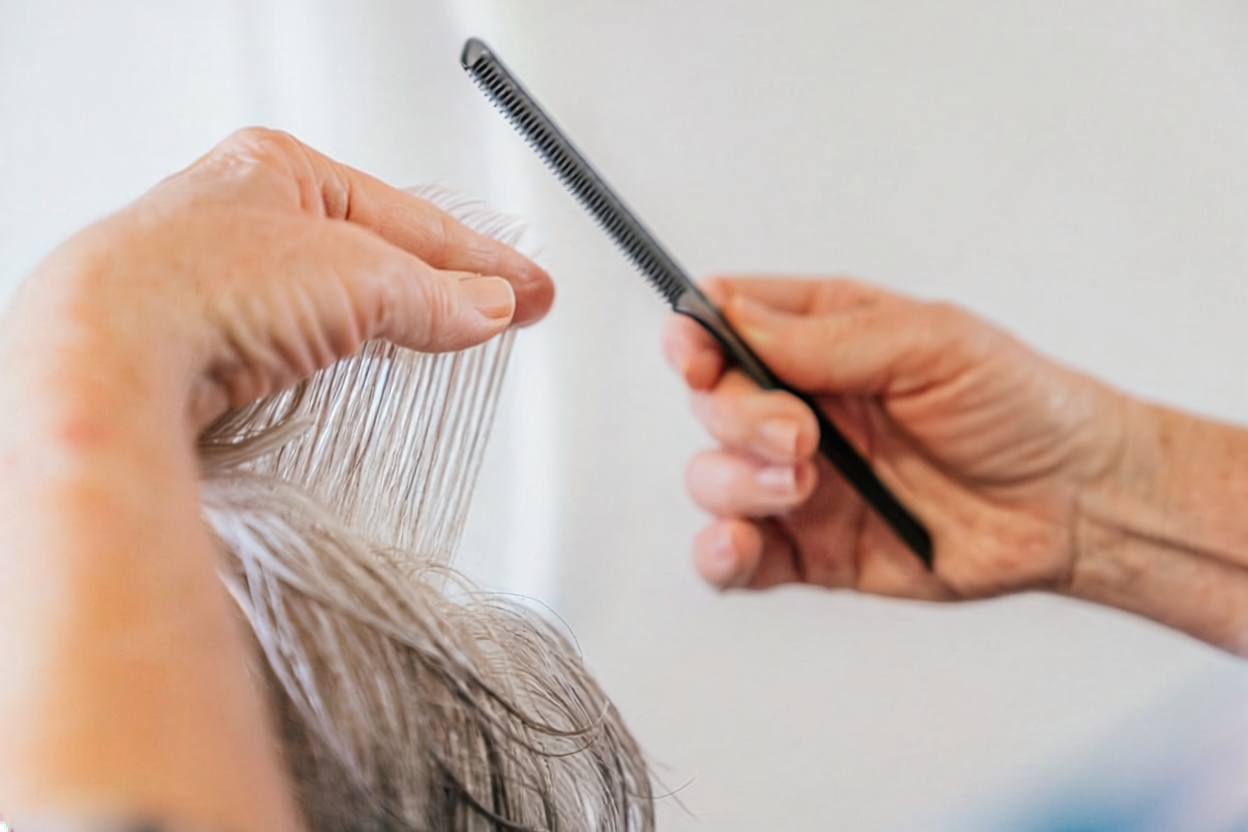
Familiar appointments often carry more meaning than we realize. A regular haircut, a standing manicure, or a monthly visit to a favorite place can reinforce identity, confidence, and continuity. As needs change, protecting these routines can help preserve a sense of self—not just a schedule.
Sometimes it isn’t the appointment itself that matters—it’s the feeling of still being yourself.
Why Routine Appointments Matter
Routine appointments—especially those connected to personal care—often support:
A sense of identity
Confidence in appearance
Social interaction
A reason to get out and engage
A feeling of normalcy
When these routines are disrupted too quickly, people may feel unsettled or diminished, even if the intention is practical.
Adjusting Without Eliminating
As energy, mobility, or transportation needs shift, appointments may require more planning. That doesn’t mean they need to stop.
Helpful adjustments might include:
Scheduling appointments at quieter times of day
Allowing extra time so the outing doesn’t feel rushed
Choosing locations that are familiar and easy to navigate
Combining the visit with a short coffee, walk, or shared errand
Small planning changes can protect the routine while reducing stress.
Turning Appointments Into Meaningful Moments
Routine visits can also become opportunities for connection. A haircut or appointment can be more than a task—it can be shared time.
Consider:
Arriving a few minutes early to sit together
Planning something small afterward, like tea or a short stop nearby
Letting the person choose where to go
Keeping the outing relaxed rather than tightly scheduled
These small additions can transform a routine into something to look forward to.
Letting the Routine Evolve
Appointments may need to shift in frequency or timing over time. What matters most is preserving the sense of identity and choice they provide.
Continuity comes from protecting what feels meaningful—even when how it happens changes.
By maintaining familiar routines—especially those tied to self-care and personal identity—individuals and families can support confidence, dignity, and connection as needs evolve.