Lighting Changes That Make a Big Difference
Lighting plays an important role in safety, comfort, and confidence at home. As vision changes over time, lighting that once felt adequate may no longer support easy movement or clear visibility. Small lighting adjustments can make a noticeable difference without changing routines or the look of the home.
Good lighting supports confident movement and reduces unnecessary strain.
Why Lighting Matters More Over Time
Lighting affects how well people see changes in surfaces, steps, and obstacles. Poor or uneven lighting can make everyday movement feel uncertain, especially in transitional areas of the home.
Common lighting challenges include:
Dim hallways or stairways
Shadows created by overhead lighting
Glare from windows or shiny surfaces
Inconsistent lighting between rooms
Difficulty seeing clearly at night
These issues can increase hesitation, fatigue, or risk without being immediately obvious.
Simple Lighting Improvements to Consider
Improving lighting doesn’t require major electrical work. Many effective changes are easy to implement and can be adjusted over time.
Helpful options include:
Adding lamps to areas with uneven lighting
Using brighter bulbs where clarity is needed
Placing night lights in bedrooms, bathrooms, or hallways
Reducing glare with softer or diffused light sources
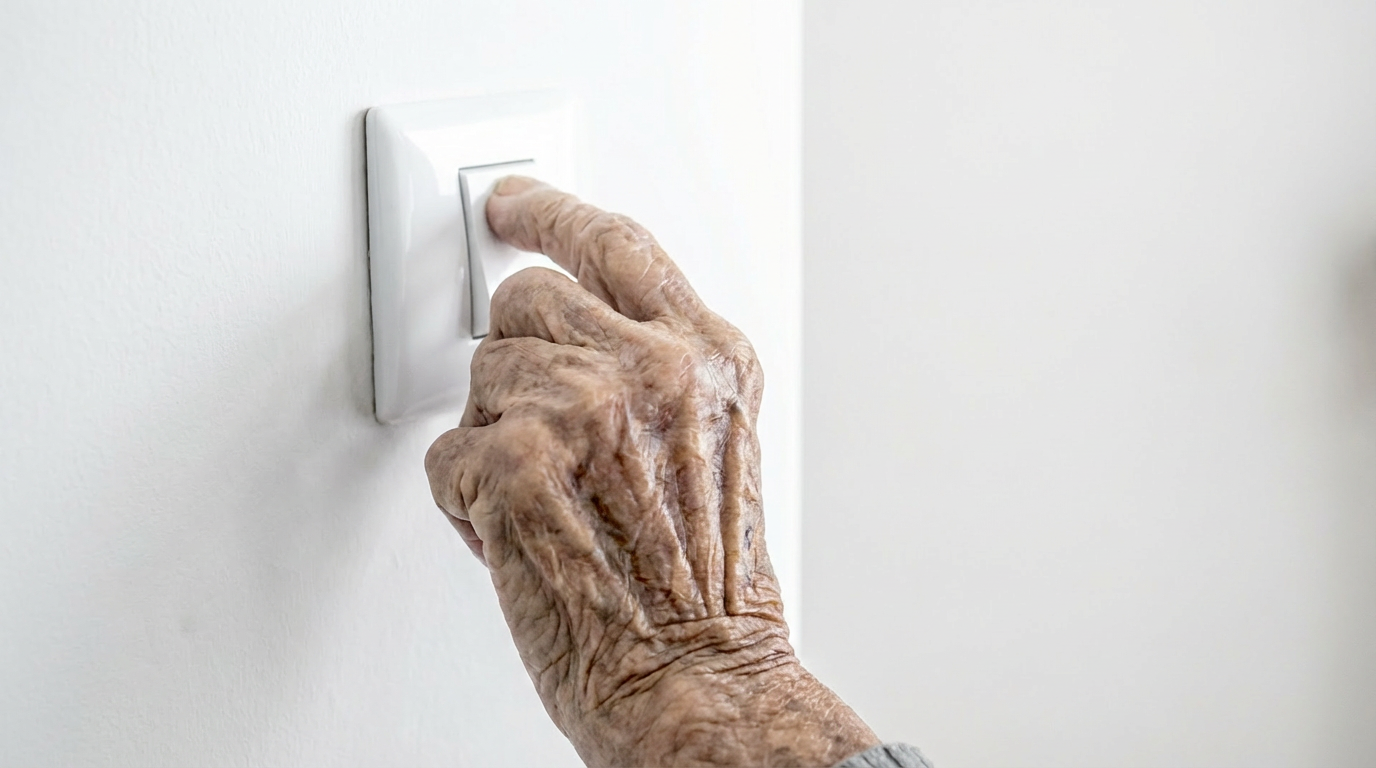
Ensuring light switches are easy to reach
Better lighting often improves safety without drawing attention to itself.
These adjustments can make spaces feel more welcoming and easier to navigate.
Supporting Comfort and Visibility
Lighting changes should support comfort as well as visibility. Light that is too harsh or glaring can be just as challenging as light that is too dim.
Balancing light levels can help by:
Improving depth perception
Reducing eye strain
Supporting steadier movement
Making transitions between rooms easier
Thoughtful lighting supports both safety and ease of use.
Reassessing Lighting Over Time
Lighting needs may continue to change, especially as routines or seasons shift. What works well during the day may not work as well at night.
Revisiting lighting occasionally helps keep the home supportive and adaptable.
By making small lighting changes over time, individuals and families can enhance safety, confidence, and comfort at home—while preserving a familiar and welcoming environment.