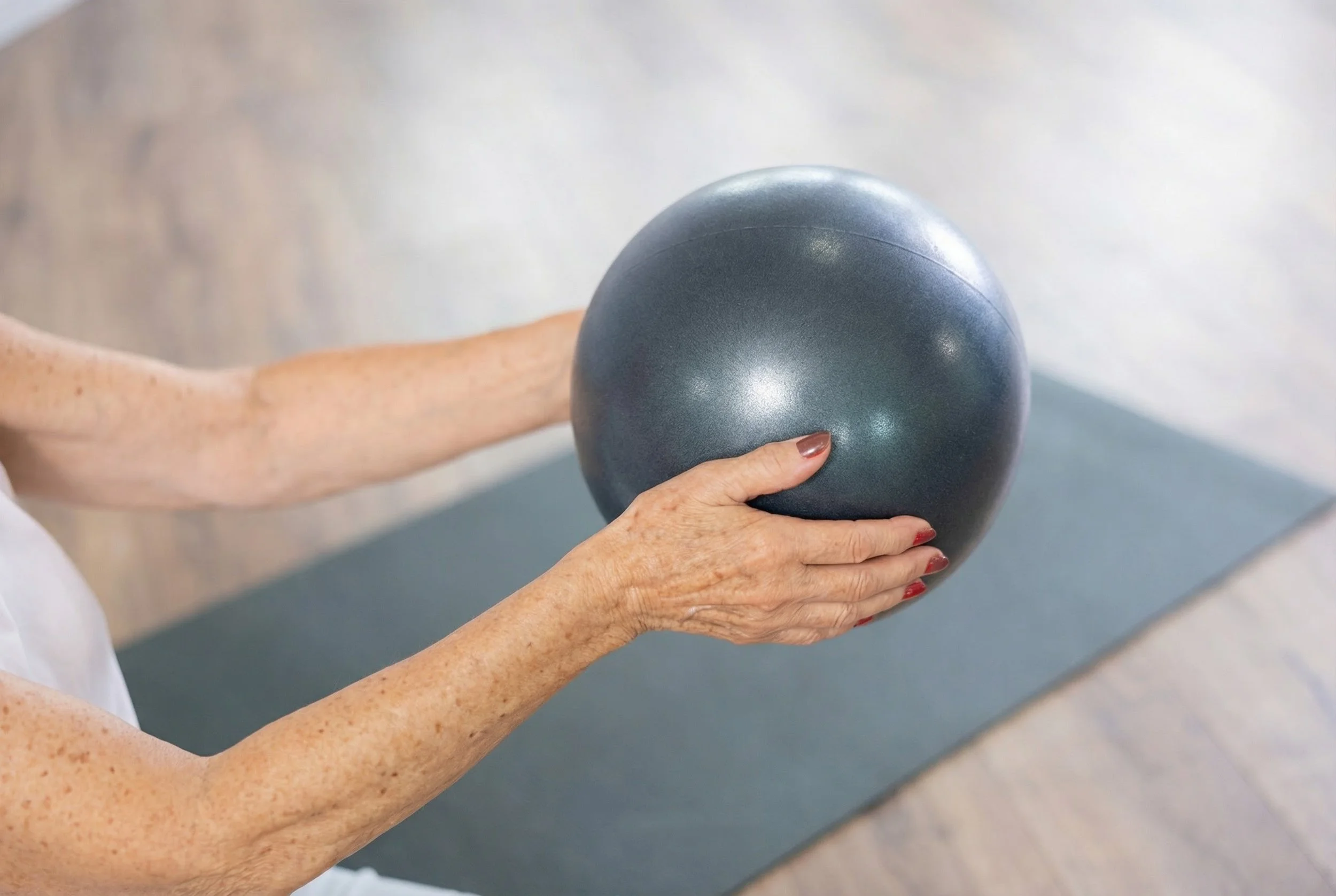
Gentle Activities That Support Strength and Balance
Strength and balance play an important role in everyday comfort and confidence. Supporting them doesn’t require intense exercise or complicated routines. Gentle, consistent activities can help maintain stability and ease of movement while fitting naturally into daily life.
Small, steady movement often supports balance better than pushing too hard.
Why Gentle Activity Matters
As strength and balance change over time, everyday movements—standing up, turning, or reaching—may feel less steady. Gentle activity can help support these movements without causing strain or fatigue.
Benefits of gentle activity often include:
Improved steadiness during daily tasks
Greater confidence when moving through familiar spaces
Reduced stiffness and discomfort
Better awareness of body position and movement
Focusing on gentle activity helps build support without overwhelm.
What Gentle Activities Can Look Like
Gentle activities are typically low-impact and adaptable. They can be adjusted to match energy levels, comfort, and ability.
Examples include:
Walking at a relaxed pace
Light stretching or range-of-motion movements
Balance-focused activities done near support
Seated or supported exercises
Everyday movements done with intention and control
Gentle activity supports strength by meeting the body where it is.
These activities can often be incorporated into existing routines.
Supporting Balance Safely
Balance-focused activity works best when safety is prioritized. Creating a supportive environment allows people to move with confidence.
Helpful considerations include:
Choosing stable surfaces and supportive footwear
Using nearby support when needed
Moving slowly and deliberately
Stopping before fatigue sets in
This approach helps reduce risk while encouraging continued movement.
Allowing Progress to Be Gradual
Strength and balance improve through consistency, not intensity. Gentle progress allows the body to adapt comfortably over time.
Consistency supports confidence more than effort.
By choosing gentle activities that support strength and balance, individuals and families can encourage steady movement, confidence, and comfort—helping daily life remain active and manageable as needs evolve.