Enjoying Life at Home
The Power of Simple Purpose
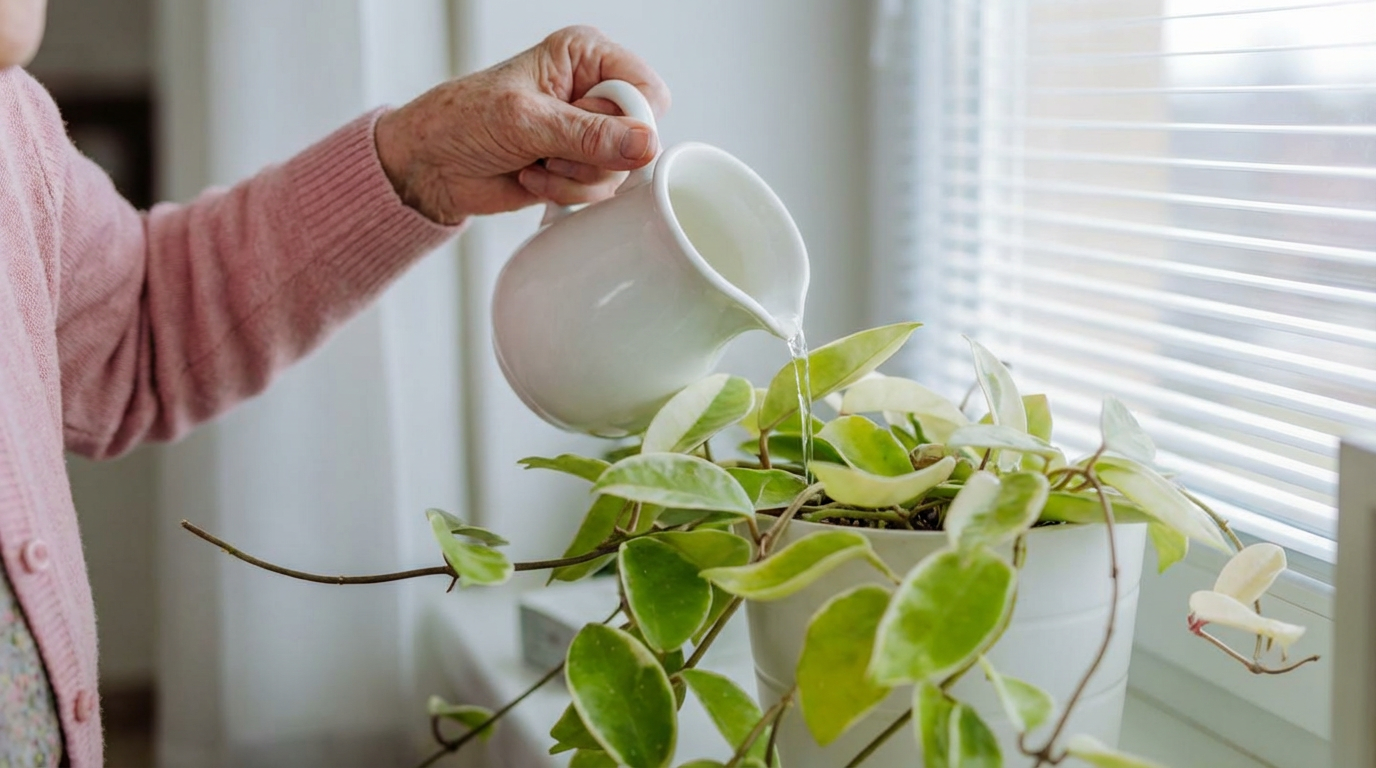
My mom has a plant she waters every day. It's nothing complicated, just something she checks on and tends to. My grandma had those same kinds of plants, and I remember watching her care for them when I was younger. At the time I never thought much about why it mattered to her. Now that I'm older, I understand it completely.
My dad has his own version of that. He fills the bird feeder and sits outside with his coffee, watching the birds come in and the squirrels trying to get to the same food. It's not something he plans. It's just something he does, and it's been that way for as long as I can remember. As a kid I loved those kinds of days with my grandparents. Not big events or special outings, just the everyday moments that felt calm and familiar without anyone trying to make them that way.
Now as an adult, I see those same moments happening with my own parents, and I appreciate them in a way I couldn't when I was younger. When we bring the kids over, my parents light up the moment we walk in. Everything slows down a little. The kids watch, ask questions, and become part of something simple without even realizing it. Those are the moments that stay with people. They stayed with me, and they'll stay with them too.
What Their Day Looks Like Now
From the outside it can look like not much is happening. But when you really pay attention, their day is filled with what matters to them at this point in their lives. It's quieter and slower than it used to be, but it isn't empty. They aren't trying to fill every hour. They're settling into what feels right and what fits without a lot of effort, and that's actually a healthy and peaceful place to be even if it looks different from the pace most of us are still living at.
Earlier in life, structure came naturally. Work, errands, responsibilities, and routines created a rhythm to the day. There were things that needed to get done and people depending on them to do it. Over time those roles change, and a lot of open unstructured time takes their place. For some people that feels like freedom, but for others it starts to feel like something is missing. Without small points of purpose the day can feel long and without direction, and that's harder to sit with than most people expect.
Simple routines fill that space in a way that nothing more complicated can. A plant that gets watered each morning. A feeder that gets checked. A cup of coffee in the same chair at the same time. These things aren't activities in the traditional sense, but they give the day a beginning and a shape and a quiet reason to engage with what's right in front of them. They don't need to be impressive or productive to matter. They just need to be consistent and familiar and belonging to the person doing them.
For someone spending most of their time at home, having even a few of these anchors in place makes a real difference in how the day feels. Not just for them but for the people around them who want to know that their loved one is engaged and finding moments that feel good. It isn't about keeping someone busy. It's about making sure the day has something in it that feels like theirs.
The Part That's Easy to Miss
There's something deeper going on that's worth paying attention to. For most of their lives, the people we love and care for were needed in significant ways. Work depended on them. Family depended on them. There were things that simply wouldn't happen without them. That sense of being needed doesn't just fade gracefully when life slows down. It has to be replaced by something, even if that something is smaller and quieter than before.
A plant that needs water, a feeder that needs tending, a small task that belongs to them and responds to their attention, these things matter more than they appear to. They create a sense that something still depends on them. That something in their day is theirs to care for. That purpose doesn't require a big stage to be real. It just requires showing up for something small and consistent and watching it respond over time.
This is something that's easy to overlook when you're focused on bigger questions about health and safety and making sure everything is taken care of. The practical things matter, of course they do. But the feeling of still having a place in the day, of still being someone whose presence and attention make a difference to something, is just as important to how a person feels about their life. Maybe more.
What You Can Do
When you're watching someone you love settle into a slower pace of life, the instinct is often to encourage more. More activity, more socializing, more engagement with the world outside. And sometimes that's right. But over time you start to notice that the things that actually stick aren't the bigger suggestions. They're the small ones that fit naturally into a day that has already found its own rhythm.
Stepping into their rhythm is one of the most meaningful things you can do. It doesn't take much. Bringing over a new plant because you know she'll enjoy watching it grow. Picking up lunch and sitting outside together for a while. Going for a slow walk around the block or to the park, or even taking them to the store or a farmers market for something a little different. Just being there without trying to turn it into something more than it needs to be.
Those moments aren't just good for them. They become something for you too. The same way those quiet ordinary days with your grandparents shaped something in you without you realizing it at the time, the visits you make now are doing the same thing for the little ones coming along behind you. They're watching. They're taking it in. And one day they'll understand it the same way you do now.
My mom will keep watering her plant. My dad will keep sitting outside with his coffee. That part doesn't need to change. What matters is that you show up alongside it, in whatever small way fits into your day, and let that be enough. Because in those moments, it always is.