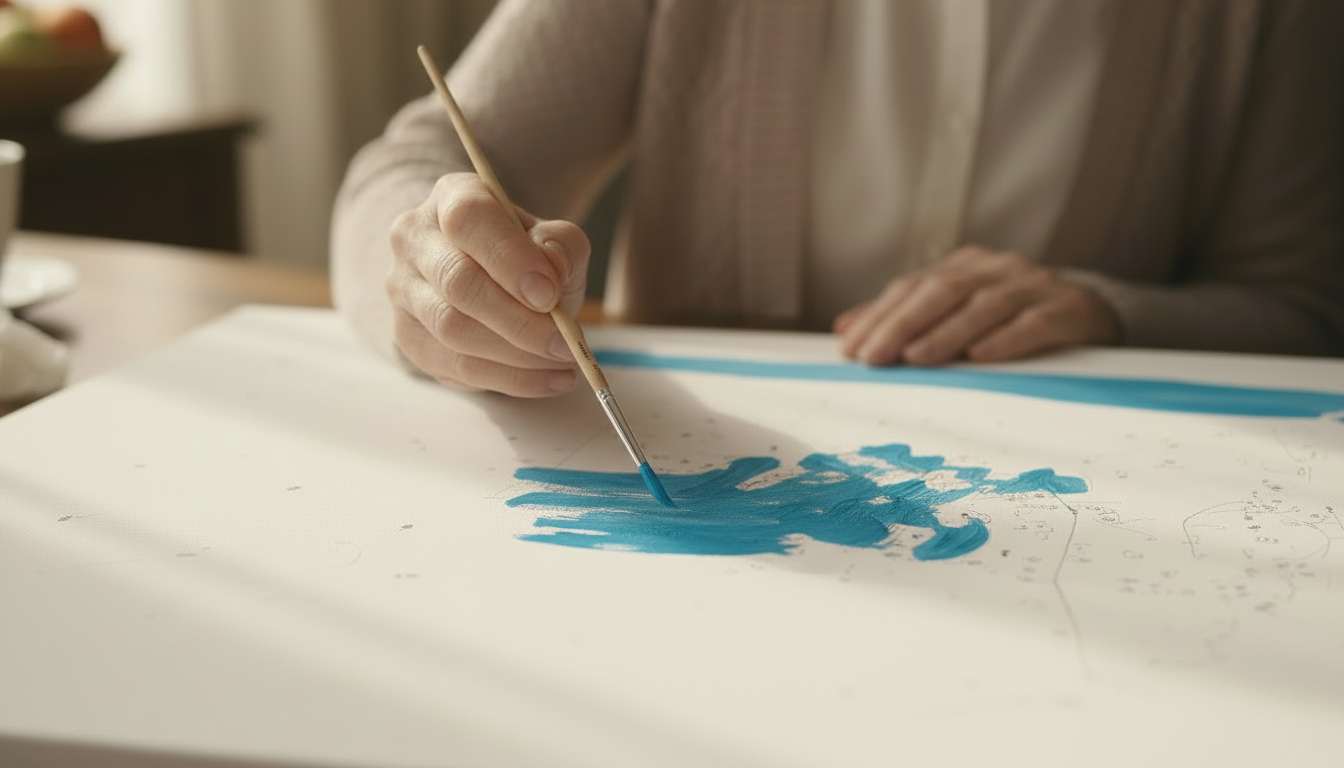
Creative Ways to Stay Engaged
Creativity can bring so much to a person’s life, especially as people get older and may have more quiet time at home or fewer daily responsibilities than they once did. It can have very personal meaning depending on the individual and what naturally interests them. For some people it may involve painting, drawing, photography, or making things with their hands. For others it might involve gardening, cooking, baking, music, decorating, organizing old photographs, or learning something completely new simply because it sounds interesting.
Often it is not really about the hobby itself. It is more about staying curious, involved, and having something enjoyable to focus on during the day. For the person you care for, reconnecting with interests they once enjoyed, or introducing something simple and new, can help bring a sense of enjoyment and purpose back into everyday life.
They may even become interested in something that you enjoy yourself or something a younger family member introduces to them. Coloring together, planting flowers, baking cookies, sorting through old photographs, or trying a simple craft with grandchildren can become more about the shared time than the project itself. Some older adults may never choose to sit down and color on their own, but if a grandchild sits beside them with markers and paper, suddenly it feels fun and relaxed instead of childish or unnecessary.
Those small moments of connection matter more than many people realize.
Breaking Up Repetitive Daily Routines
As people age, routines can slowly become smaller and more repetitive without anyone fully noticing it happening. Days begin to revolve around appointments, television, meals, and sleep. There is nothing wrong with quiet routines, but over time many older adults begin missing the feeling of being involved in something that holds their attention and gives them something to look forward to. Even small projects or interests can change the feeling of an entire day.
A small watercolor set sitting on the kitchen table can quietly catch someone’s attention over time. A puzzle left out on a side table may slowly come together over several afternoons. Fresh flowers from the yard arranged in a simple vase can become part of a peaceful morning routine. Looking through old family photographs often brings back stories that have not been talked about in years, especially when younger family members are nearby asking questions and hearing those memories for the first time.
The benefit often comes from the process itself rather than the final result.
Trying New Things Later in Life
Many older adults spent years caring for other people, raising families, working, handling responsibilities, and moving quickly through daily life. Later years can finally provide space to slow down enough to enjoy smaller things again. A person who never had time to bake may suddenly enjoy trying recipes. Someone who once loved music may begin listening to old records again. Others may discover interests they never expected to enjoy at all.
Trying something unfamiliar can also bring fresh energy into the home. It does not have to be expensive or complicated. Bird watching, beginner painting supplies, simple sewing kits, adult coloring books, clay projects, phone photography, or even learning how to grow herbs on a patio can become enjoyable ways to spend time. The important part is removing pressure and allowing curiosity to lead naturally.
People tend to resist things that feel forced or overly structured. Most adults do not want to feel like they are being assigned “senior activities.” They simply want opportunities that feel natural, interesting, and respectful. A relaxed environment makes a big difference. Leaving materials available without turning them into a project often works much better than repeatedly asking someone if they want to participate.
Simple Activities Shared Together
Family interaction can completely change how an older adult responds to different hobbies or projects. Many people enjoy doing things alongside someone else even if they would never choose to do them alone. Sitting together at the kitchen table coloring with grandchildren, baking during holidays, decorating cookies, or putting together small craft projects can create relaxed conversation without pressure.
There is something comforting about working on simple things side by side.
Conversation often flows more naturally when people are occupied with their hands rather than sitting face to face trying to think of things to talk about. Looking through old photo albums may lead to stories younger family members have never heard before. Cooking together may bring back memories connected to family traditions or childhood experiences. Even lighthearted projects can help someone feel more included and connected.
Music, Memories, and Personal Stories
Writing can also become an enjoyable outlet in ways many people do not expect. That does not necessarily mean journaling every day or writing long stories. Some people enjoy writing down favorite recipes, memories from childhood, funny family moments, travel experiences, or thoughts about earlier periods of life. Others may enjoy making simple lists such as favorite songs, favorite holiday memories, or places they once visited.
These things may seem small at the time, but they often become treasured by family members later.
Music is another area that can have a powerful effect on mood and connection. Songs tied to certain periods of life often bring back memories quickly and naturally. Listening to favorite music while cooking, organizing photographs, driving, or relaxing outside can shift the atmosphere of the day almost immediately. Singing along, dancing a little in the kitchen, or talking about concerts and memories connected to certain songs can create moments of happiness that feel very genuine and easy.
The Goal Is Enjoyment and Connection
Not every interest will last forever, and that is perfectly fine. Someone may become deeply interested in puzzles for several months and then lose interest completely. Another person may enjoy gardening during spring and summer but spend winter months focused on baking, photography, or family scrapbooks instead. Interests naturally shift over time, especially as energy levels and routines change.
The goal is not productivity, it to for daily life to feel fuller, more enjoyable, and more connected.
Caregivers and family members sometimes worry too much about whether a project is being completed correctly or whether the person is staying engaged long enough. In reality, the experience itself is usually what matters most. A half finished painting can still provide a relaxing afternoon. Cookies that turn out messy may still create laughter and conversation. A simple project done together may become one of the most enjoyable parts of the week.
People do not stop needing curiosity, enjoyment, connection, and personal interests simply because they are getting older. In many ways those things become even more important later in life.
A quiet afternoon planting flowers, listening to music while organizing old photographs, sitting outside sketching, or coloring with grandchildren may not seem significant from the outside. Yet those are often the exact kinds of moments that help life continue feeling warm, personal, and connected to the people around us.