Creating Clear Walkways and Open Spaces
Clear walkways and open spaces make moving through the home feel easier, safer, and less tiring. As needs change, even familiar layouts can begin to feel cramped or awkward. Thoughtful adjustments can support confident movement while keeping the home comfortable and recognizable.
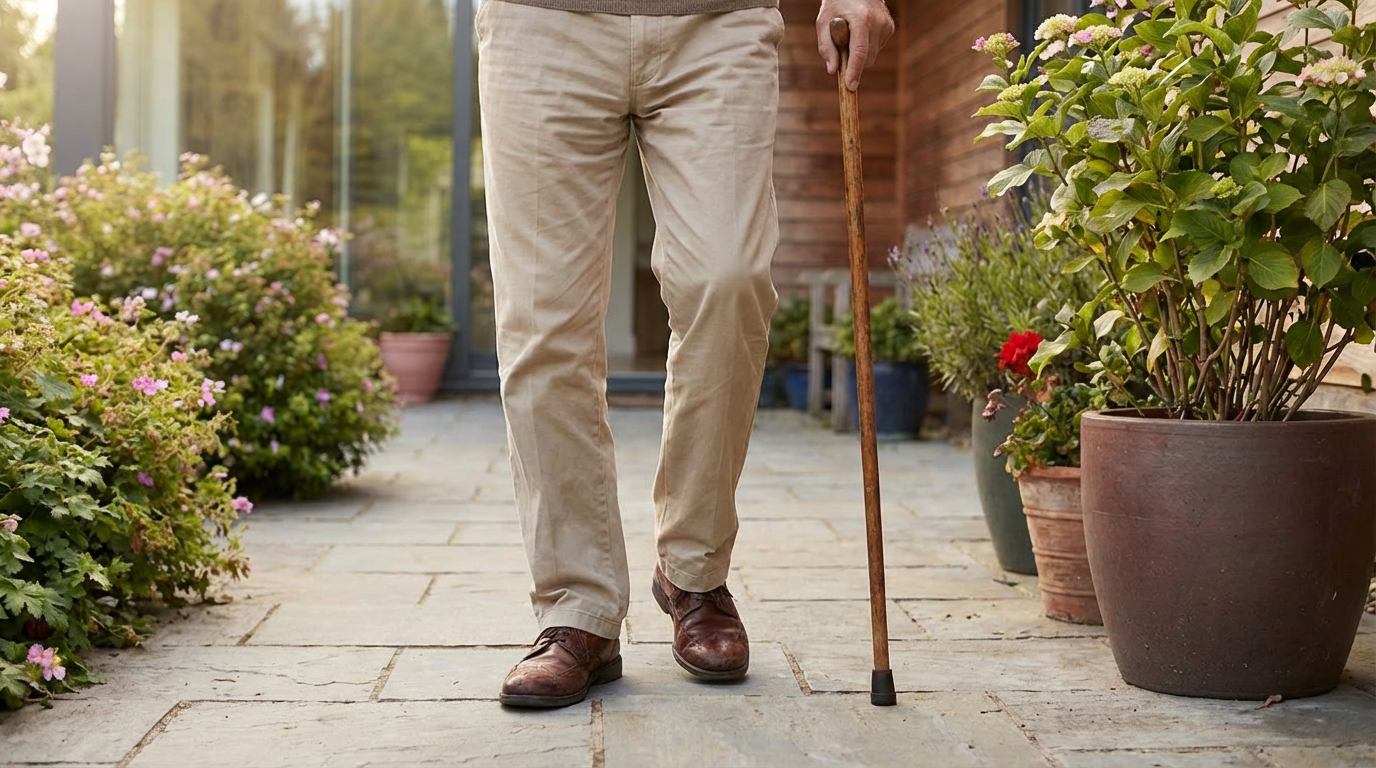
Clear paths support steady movement and reduce hesitation.
Why Walkways Matter More Over Time
Moving through the home often involves turning, carrying items, or navigating tight spaces. When walkways are cluttered or narrow, these movements can feel more demanding and increase the risk of trips or strain.
Common challenges include:
Furniture placed too closely together
Items temporarily left in walking paths
Cords, rugs, or low objects that are easy to overlook
Narrow spaces that require careful maneuvering
These challenges can quietly affect confidence and comfort without being immediately obvious.
Simple Ways to Create Clearer Paths
Improving walkways doesn’t require changing the character of the home. Small, intentional adjustments can make a meaningful difference.
Helpful changes include:
Removing or relocating unnecessary furniture
Keeping frequently used paths free of obstacles
Securing or removing loose rugs
Organizing cords so they stay out of walking areas
Creating wider turning spaces where possible
Clear spaces allow movement to feel natural rather than cautious.
These adjustments can reduce mental and physical effort during everyday movement.
Supporting Ease Without Overcorrecting
Open spaces should feel supportive, not empty or institutional. The goal is to improve flow while preserving warmth and familiarity.
Supportive approaches include:
Making changes gradually rather than all at once
Asking which areas feel most difficult to navigate
Keeping meaningful or frequently used items accessible
Respecting personal preferences around layout and décor
This helps ensure changes feel practical and respectful.
Revisiting Layouts Over Time
As routines and needs evolve, layouts may need occasional reevaluation. What worked before may need adjusting later, and that’s a natural part of maintaining a supportive home.
Flexibility allows the home to continue meeting changing needs.
By creating clear walkways and open spaces thoughtfully, individuals and families can support safer movement, greater confidence, and comfort at home—while preserving the look and feel of familiar surroundings.