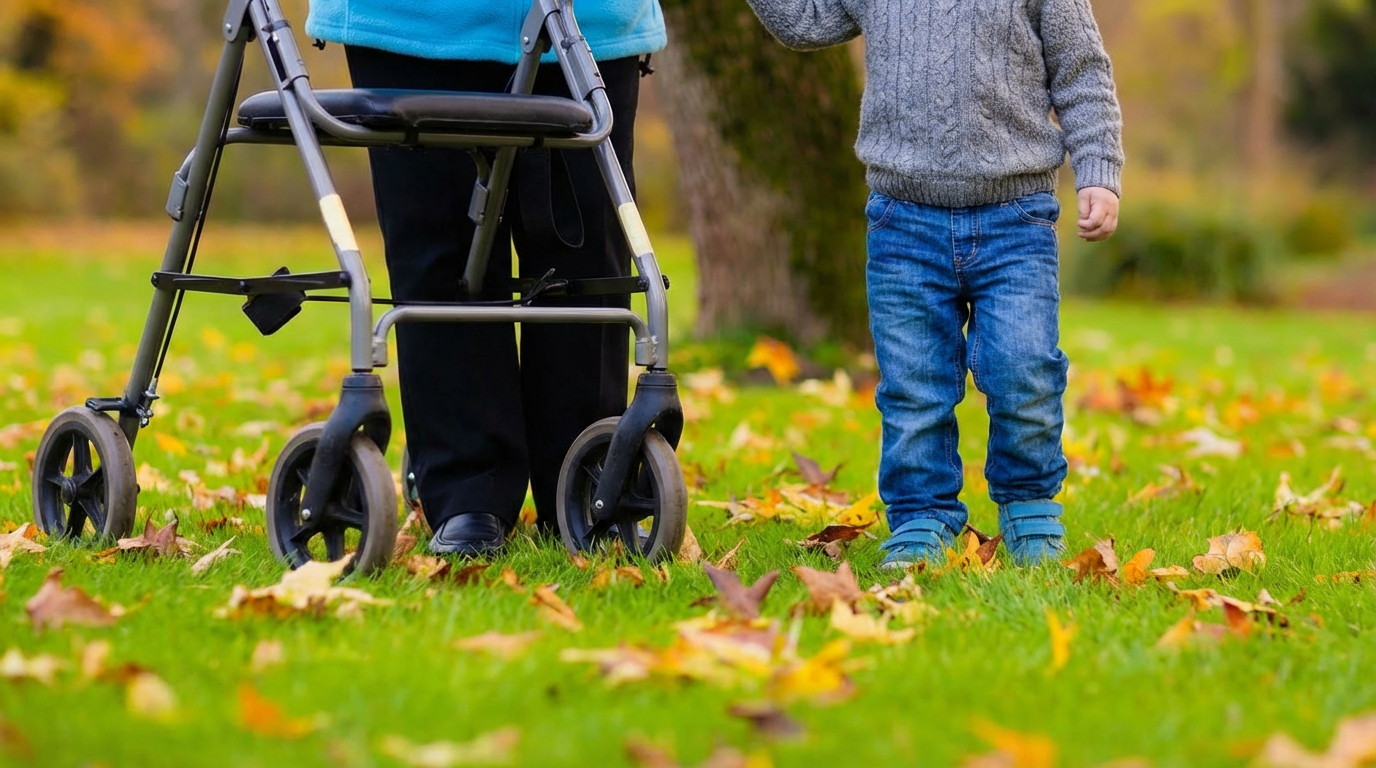
Moving Together at Every Stage
Staying active doesn’t mean moving quickly or doing as much as you once did. It means continuing to move in ways that feel comfortable, steady, and meaningful. Moving at your own pace allows activity to remain part of daily life without pressure or strain.
“Where there is love there is life” - Mahatma Gandhi
Why Pace Matters
As energy and mobility change, the pace of activity often needs to change too. What once felt effortless may now require more attention or rest. Adjusting pace isn’t a step backward—it’s a thoughtful way to stay engaged.
Moving at your own pace can:
Reduce fatigue
Support balance and steadiness
Increase confidence while walking or standing
Make activity feel more enjoyable
When pace feels right, movement feels natural rather than forced.
What Staying Active at Your Own Pace Can Look Like
Activity doesn’t need to be fast or structured to be meaningful. Often, it’s about steady movement and connection.
Examples include:
Taking relaxed walks in familiar places
Moving alongside someone rather than keeping up
Using supportive tools when helpful
Pausing to rest without feeling rushed
Letting conversations shape the rhythm of movement
Supportive tools and steady pacing can make movement feel freeing, not limiting.
The goal isn’t speed—it’s comfort and participation.
Supporting Independence Through Rhythm
Everyone has a natural rhythm. Allowing that rhythm to guide activity helps preserve independence and confidence.
Helpful approaches include:
Allowing extra time for outings
Avoiding comparisons to past ability
Encouraging steady movement rather than intensity
Respecting when someone wants to slow down
This keeps activity collaborative and positive.
Letting Activity Evolve Naturally
The way someone stays active may continue to change over time. What matters most is continuing to move in ways that feel safe, supported, and meaningful.
Activity that adapts is activity that lasts.
By staying active at your own pace, individuals and families can support comfort, connection, and continued engagement—allowing movement to remain a steady, positive part of life.