Adapting Hobbies without Giving Them Up
If you are caring for an older parent, you may begin to notice small changes that are difficult to explain at first. Nothing dramatic happens all at once. Instead, it shows up in subtle ways. A routine that used to be automatic starts to happen less often. Something they always enjoyed quietly fades into the background, and when you ask about it, the answer is usually simple and easy to dismiss.
One of the most common examples is walking. Many older adults have had some version of a daily walk built into their lives for years. It may have been part of their morning routine or something they did without thinking much about it. Over time, though, you may notice that the walk becomes shorter, less frequent, or eventually stops altogether.
When Something Familiar Starts to Change
What is actually changing is not their interest in walking, but their experience of it. Balance may feel less certain than it used to. Small changes in the ground, like uneven pavement or slight inclines, require more attention. They may feel fatigued sooner than expected, even on a familiar route.
None of these changes seem significant on their own, but together they make the activity feel more difficult than it once did. Instead of addressing that difficulty directly, many people simply begin to avoid it.
This is often how hobbies begin to disappear. They are not actively given up. They are gradually set aside because the way they have always been done no longer feels manageable.
A Situation Many Caregivers Recognize
You might see it happen like this. Your parent used to walk every morning. Then one day they mention they did not feel up to it. A few days later, they say their legs feel tired. Eventually, they stop bringing it up at all. If you suggest going for a walk, they may say “maybe later” or “not today.”
At the same time, you can sense that something else is going on. It is not a lack of interest. It is hesitation.
This is the point where many people are unsure what to do. You do not want to push, but you also do not want to ignore it and watch something important disappear.
Helping Without Taking Over
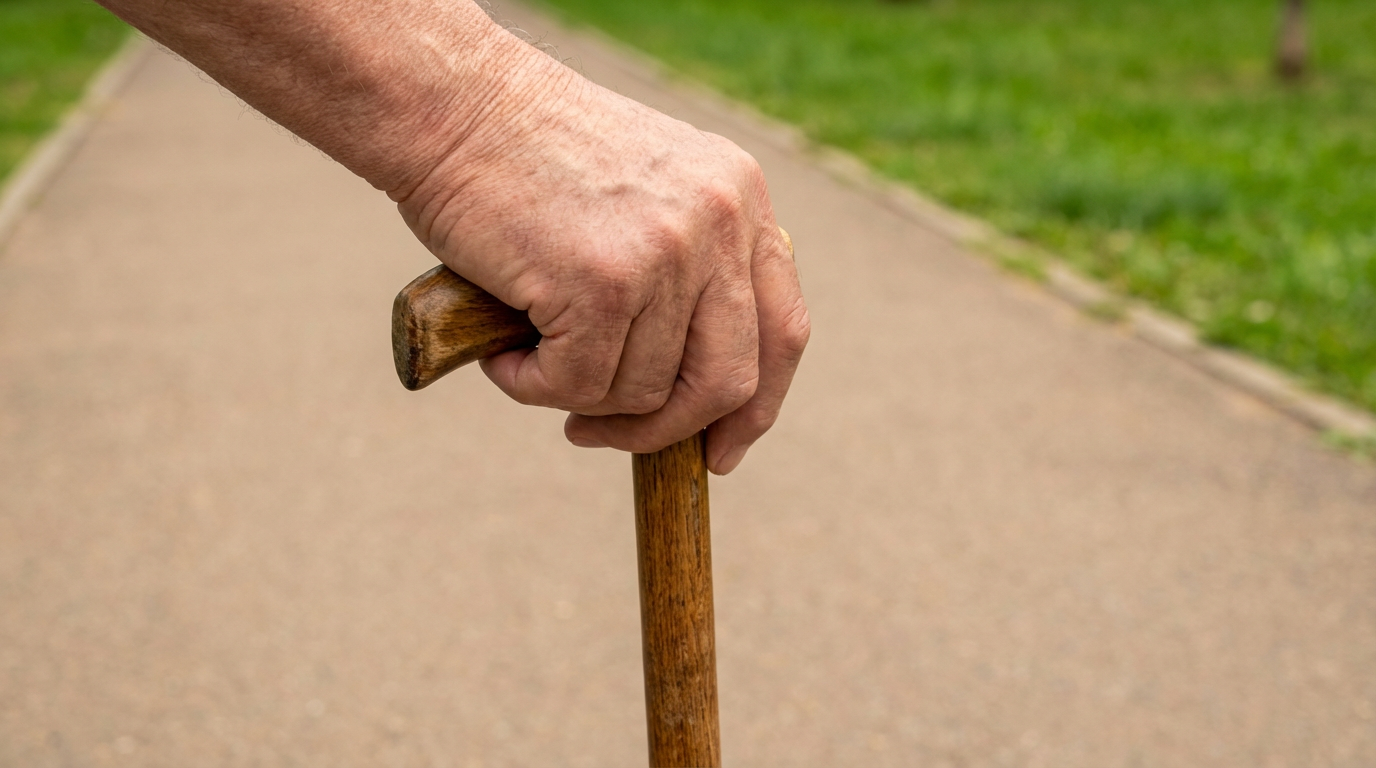
A common instinct is to try to solve the problem quickly by suggesting something like a cane. While that may be a helpful tool, bringing it up too early can create resistance. Many people associate it with losing independence, and that can shut the conversation down before it even begins.
It often works better to start by bringing back the activity in a smaller way. Instead of focusing on how they should walk, focus on getting them outside again. Ask them to go with you, even if it is just a short distance. Keep the pace relaxed and the expectation low.
Once they are back in that environment, you will be able to see what is actually making it harder. They may hesitate on uneven ground or look for something to steady themselves. These moments give you a clearer picture of what kind of support would help.
At that point, introducing something like a cane feels more natural. It is no longer a general suggestion. It is connected to something real they just experienced.
Small Adjustments That Make a Big Difference
When support is introduced this way, it can change the experience quickly. A cane can provide enough stability to reduce uncertainty and make the walk feel manageable again. The distance may still be shorter and the pace slower, but the activity itself is still there.
This same approach applies to other hobbies as well. A parent who enjoyed gardening may need to spend less time at once or focus on fewer tasks. Someone who liked cooking may still enjoy preparing part of a meal rather than the entire process.
The goal is not to keep everything the same. It is to keep what still matters.
What Actually Helps in Real Life
If you are not sure where to start, focus on a few simple things.
Pay attention to what has quietly stopped happening, not just what is being talked about. Reintroduce the activity in a way that feels easy to say yes to. Watch for the specific moments where it becomes difficult, and let that guide what kind of support you suggest.
Most importantly, try not to take over the activity. Making small adjustments or setting things up is usually more helpful than doing it for them. The sense of participation is what keeps the activity meaningful.
Why This Matters More Than It Seems
Hobbies are not just ways to pass time. They provide structure, familiarity, and a connection to who a person has been over the years. When those things begin to disappear, it can affect more than just how someone spends their day.
Maintaining even a small version of a familiar activity can help preserve that sense of normalcy. A shorter walk is still time outside. A small amount of time spent on a hobby still provides a sense of purpose.
Most hobbies do not need to be given up. They need to be adjusted earlier than people expect. When that happens, they are far more likely to remain part of daily life.
In many cases, that small shift is enough to keep something meaningful from quietly fading away.