Adapting Activities as Abilities Change
As abilities change over time, activities that once felt easy may begin to feel more demanding. Adapting activities doesn’t mean giving them up—it means finding new ways to stay involved, engaged, and comfortable while honoring current needs.
Adaptation allows activities to continue, even when abilities shift.
Why Abilities Change Gradually
Changes in strength, balance, stamina, or coordination often happen slowly. Because they’re gradual, it’s easy to push through or quietly stop activities without realizing that simple adjustments could help.
Common signs an activity may need adapting include:
Feeling more tired or sore after participating
Needing longer recovery time
Feeling unsteady or cautious during movement
Avoiding activities that were once enjoyable
Recognizing these signs early creates opportunities for thoughtful adaptation.
What Adapting Activities Can Look Like
Adapting an activity often means changing the approach rather than the activity itself. Small modifications can make participation feel possible and enjoyable again.
Examples of adaptation include:
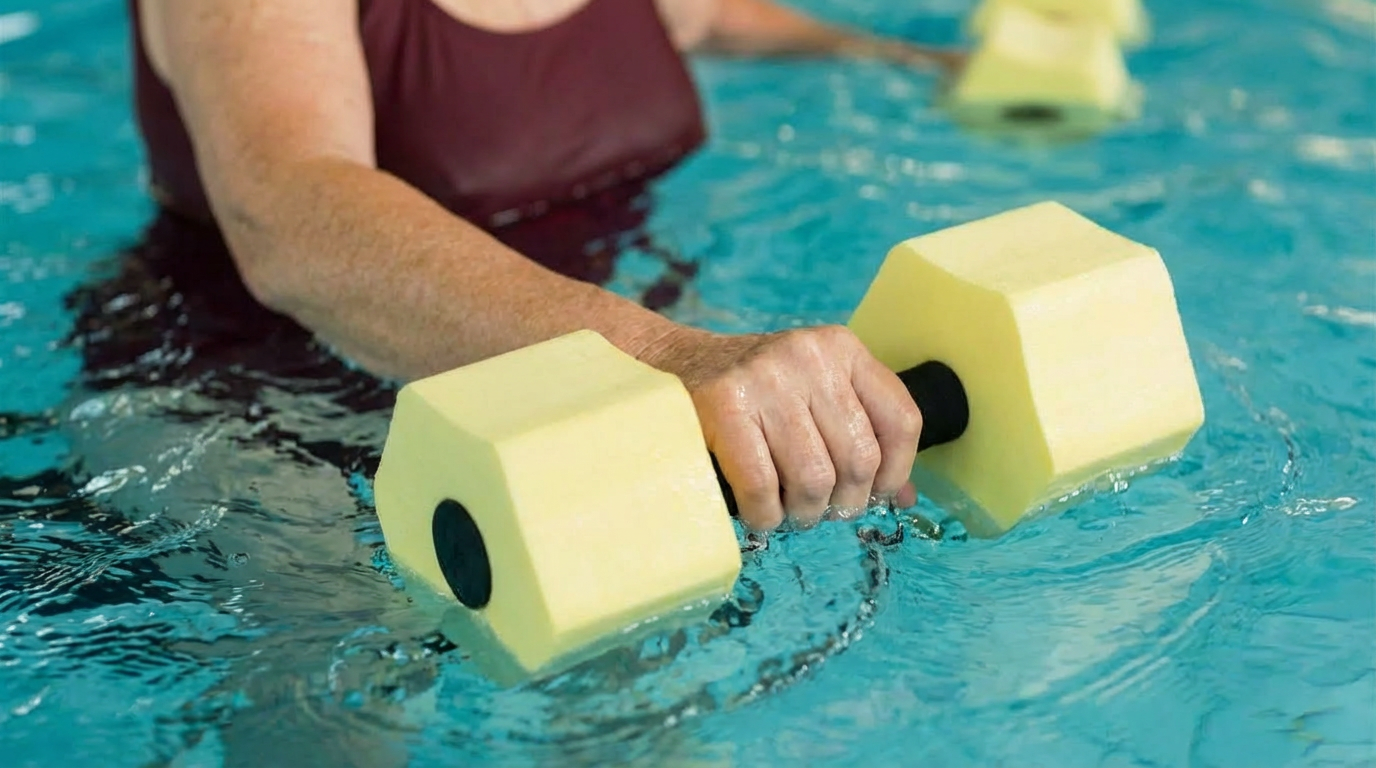
Being active in an environment that is refreshing
Shortening the duration of an activity
Slowing the pace
Using support or seating when needed
Breaking activities into smaller parts
Choosing familiar environments over new ones
Small adjustments can restore confidence and comfort.
These changes help activities remain part of daily life.
Supporting Adaptation Without Frustration
Adapting activities works best when it feels collaborative and flexible. People are more likely to stay engaged when adaptations feel optional rather than imposed.
Helpful approaches include:
Asking what feels hardest about an activity
Trying one change at a time
Allowing space to stop or modify without judgment
Revisiting adaptations as comfort levels change
This helps adaptation feel supportive rather than limiting.
Allowing Activities to Evolve Over Time
Activities may continue to change as abilities evolve. What works now may need adjusting later, and that’s a natural part of staying engaged.
Adaptation keeps activities meaningful, not diminished.
By adapting activities as abilities change, individuals and families can support continued participation, enjoyment, and connection—allowing activity to remain a positive part of life as needs evolve.
Staying active can help bring energy, purpose and enjoyment to each day! Find out more in our Enjoying Life section.