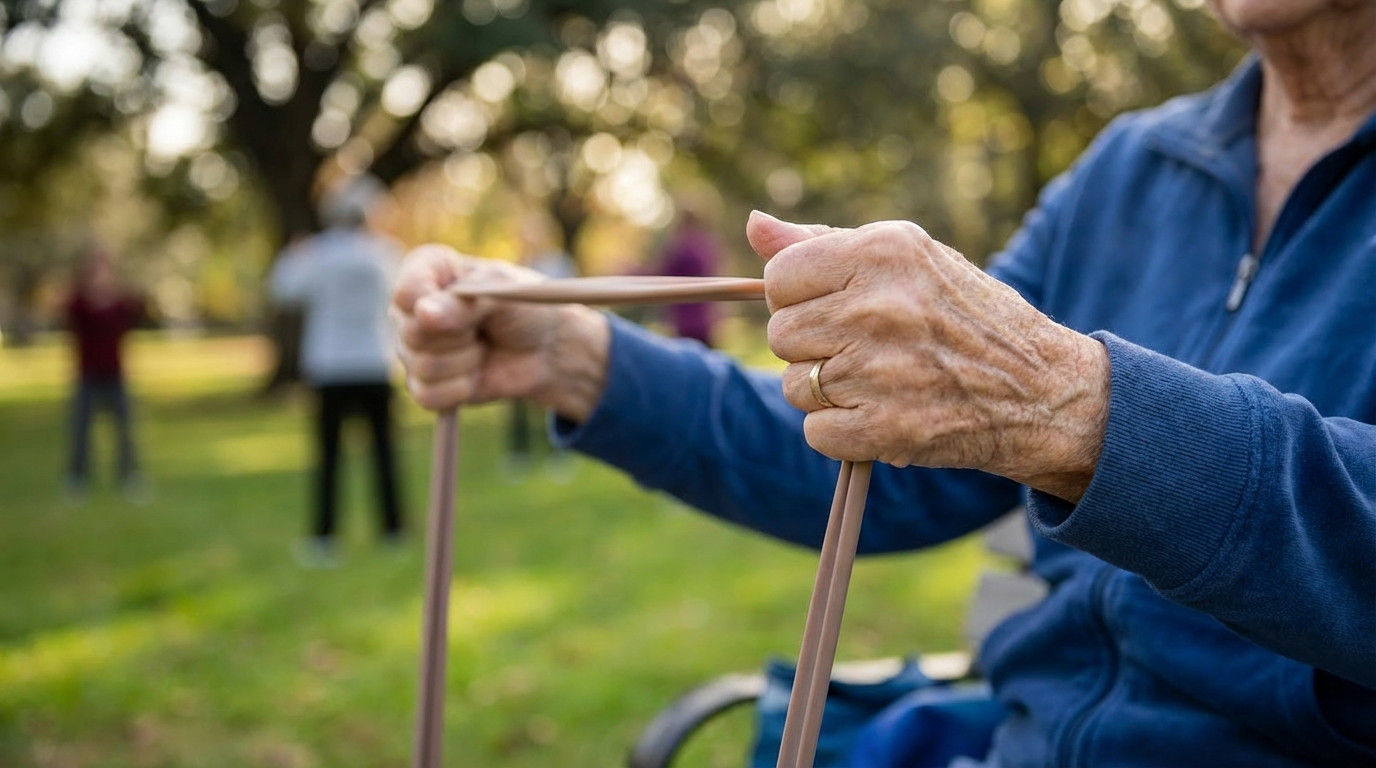
Activities That Support Confidence and Mobility
Confidence and mobility are closely connected. When movement feels steady and manageable, people are more likely to stay engaged in daily life. Activities that support confidence and mobility don’t need to be intense—they work best when they’re gentle, familiar, and practiced regularly.
Confidence grows when movement feels predictable and supported.
Why Confidence and Mobility Go Together
Mobility isn’t just physical. It’s also about how safe and capable someone feels while moving. When confidence declines, people may hesitate, rush, or avoid movement altogether—even if they’re still physically able.
Common signs confidence may be changing include:
Hesitating before standing or walking
Moving more cautiously than before
Avoiding unfamiliar spaces or surfaces
Feeling tense during routine movement
Supporting mobility thoughtfully can help restore confidence and ease.
What Confidence-Supporting Activities Can Look Like
Activities that support confidence and mobility often focus on steady, controlled movement rather than speed or endurance.
Examples include:
Walking at a comfortable, consistent pace
Standing and sitting with awareness and control
Gentle balance-focused movements near support
Repeating familiar movements in a calm environment
Practicing transitions, like turning or changing direction
Familiar movement builds confidence more reliably than challenging movement.
These activities help reinforce steadiness and trust in the body.
Creating a Supportive Environment
The environment plays an important role in how confident movement feels. Activities are more effective when the setting feels safe and predictable.
Helpful considerations include:
Choosing stable, familiar surfaces
Keeping spaces clear and well lit
Wearing supportive footwear
Allowing plenty of time without rushing
This helps movement feel calm rather than pressured.
Allowing Confidence to Build Gradually
Confidence often returns through repetition and familiarity. Small, consistent activities can help mobility feel more reliable over time.
Confidence builds through experience, not effort alone.
By choosing activities that support confidence and mobility, individuals and families can encourage steadier movement, greater comfort, and continued engagement in daily life—while allowing confidence to grow at a natural pace.